Buy sportcoach.eu ?
We are moving the project
sportcoach.eu .
Are you interested in purchasing the domain
sportcoach.eu ?
domain@kv-gmbh.de · 0541-91531010
Buy sportcoach.eu ?
White or rosé tuna?
White tuna is typically the preferred choice for sushi and sashimi due to its mild flavor and firm texture. Rosé tuna, also known as bluefin tuna, is prized for its rich, fatty flesh and is often used in dishes like sashimi and sushi. Both types of tuna have their own unique qualities, so the choice ultimately depends on personal preference and the specific dish being prepared. **
What is the difference between functional strength training and traditional strength training?
Functional strength training focuses on exercises that mimic everyday movements and activities, such as squatting, lifting, and pushing, to improve overall functionality and movement patterns. Traditional strength training, on the other hand, typically involves exercises that isolate specific muscle groups, such as bicep curls and leg extensions, to increase muscle strength and size. Functional strength training emphasizes the integration of multiple muscle groups and movements, while traditional strength training often focuses on targeting individual muscles. Additionally, functional strength training places a greater emphasis on improving stability, balance, and coordination, while traditional strength training may prioritize increasing muscle mass and strength. **
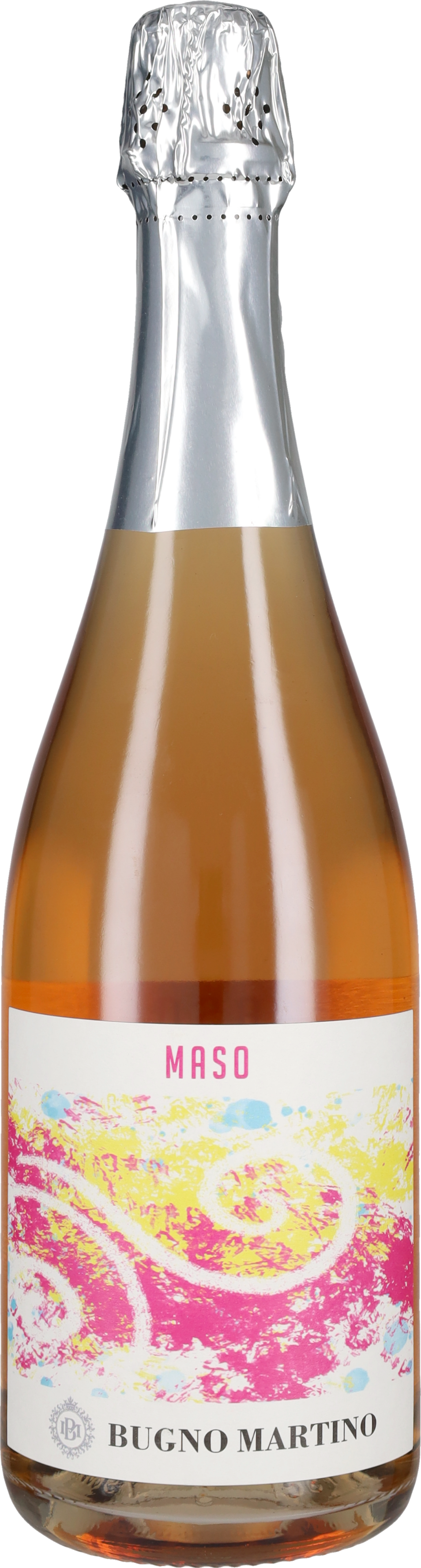
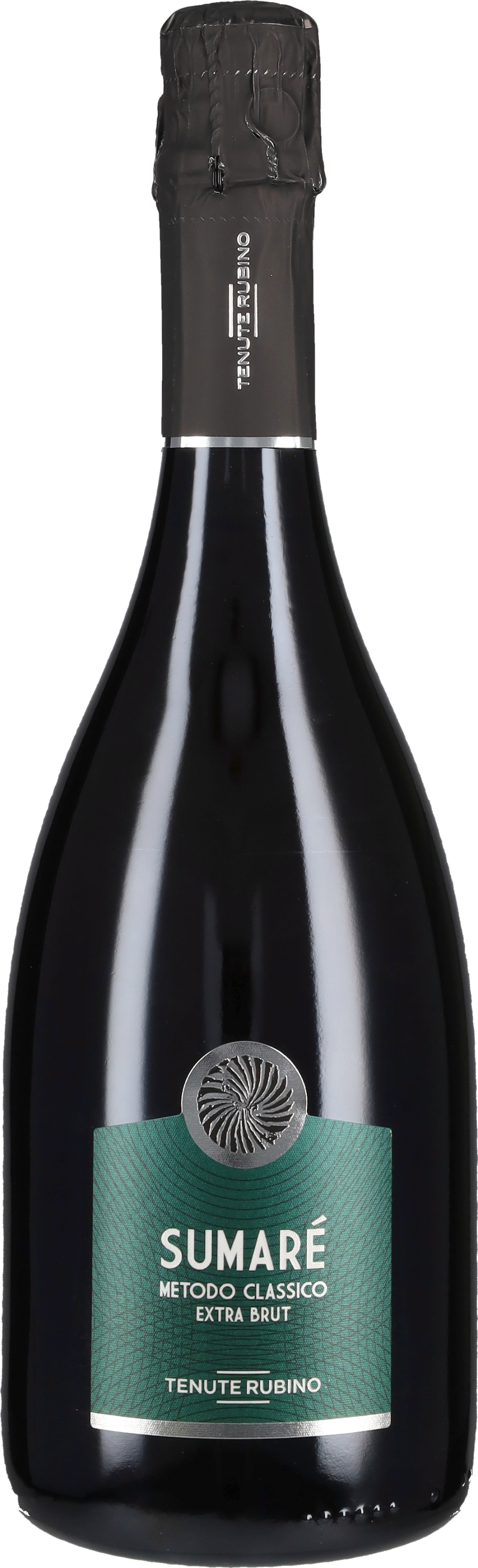
Similar search terms for Sparkling-Traditional-Method-Rosé
Top-Angebote
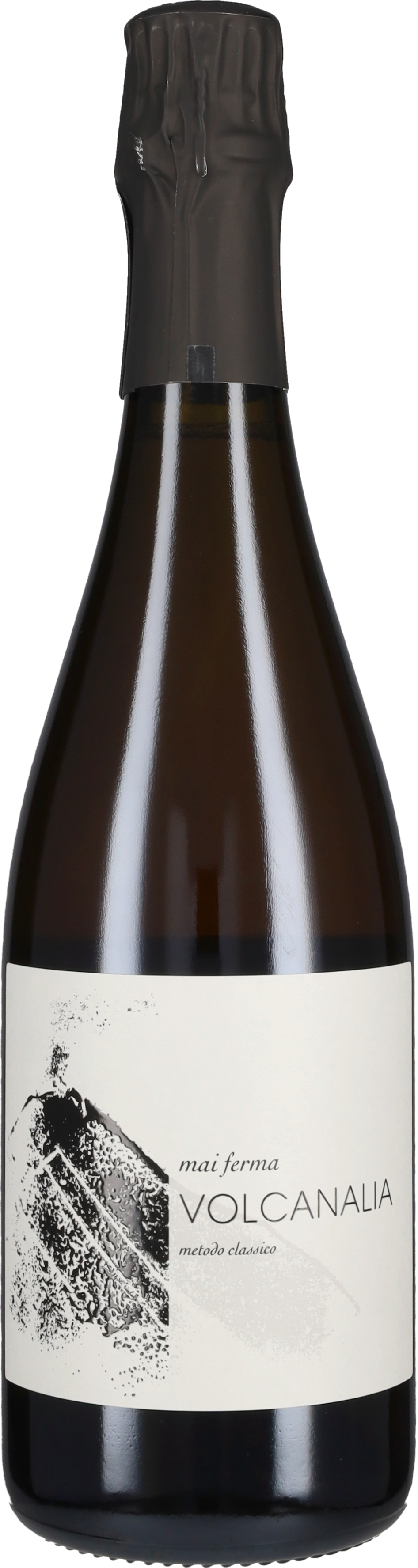
Products related to Sparkling-Traditional-Method-Rosé:
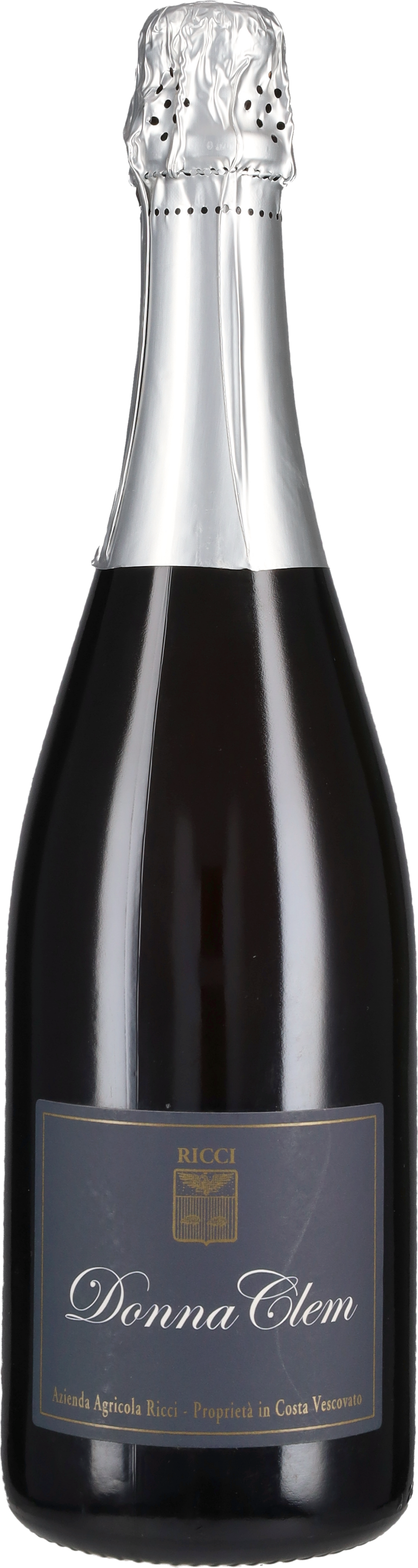
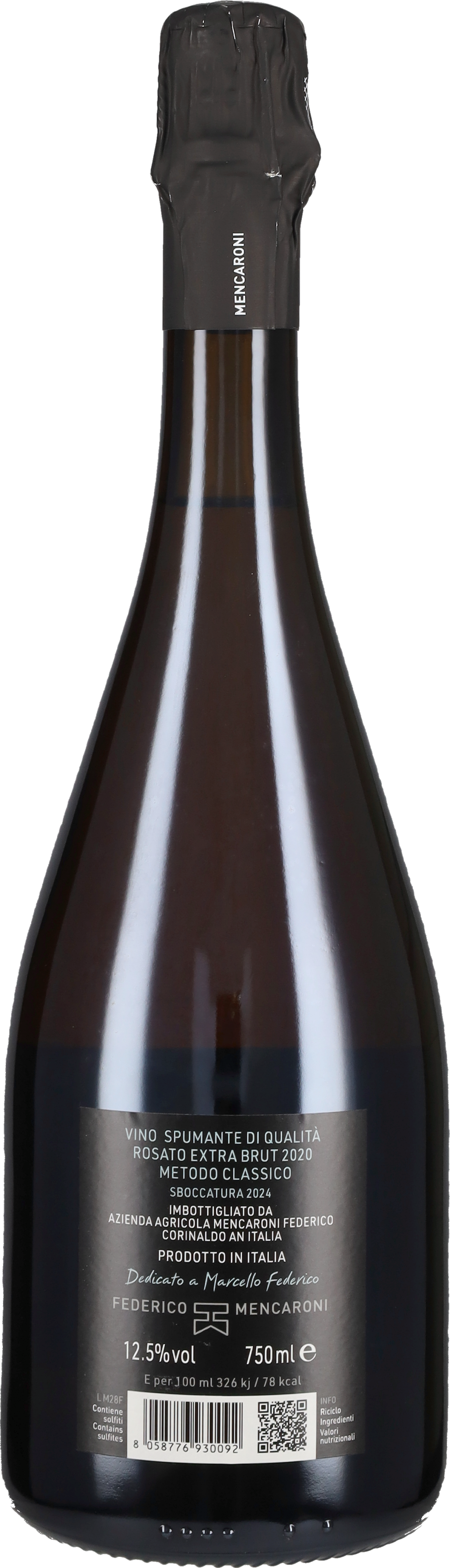

-
Should traditional performance evaluation be reconsidered?
Yes, traditional performance evaluation should be reconsidered. The traditional approach often focuses on past performance and can be subjective, leading to biases and unfair assessments. Instead, organizations should consider adopting a more modern and holistic approach that includes ongoing feedback, coaching, and development opportunities. This approach can provide a more accurate and comprehensive view of an employee's performance and potential for growth. **
-
What is the shelf life of rosé wine?
The shelf life of rosé wine can vary depending on the specific wine and how it is stored. In general, most rosé wines are best consumed within 1-3 years of their vintage date. However, some higher quality rosé wines can age well for up to 5 years or more if stored in a cool, dark place. It's important to note that once a bottle of rosé wine is opened, it should be consumed within a few days to a week to maintain its freshness and flavor. **
-
Can I use rosé instead of white wine for deglazing?
Yes, you can use rosé instead of white wine for deglazing. Rosé wine can add a slightly different flavor profile to the dish compared to white wine, but it can still effectively deglaze the pan and add depth of flavor to your dish. Just keep in mind that the final flavor of the dish may be slightly different than if you had used white wine. **
-
How long does open rosé wine last in the refrigerator?
Open rosé wine can last in the refrigerator for about 3-5 days. However, it's important to note that the flavor and quality of the wine may start to deteriorate after the first day or two. To prolong the life of the wine, it's best to re-cork the bottle tightly and store it in the coldest part of the refrigerator. Using a wine stopper or vacuum pump can also help to preserve the wine for a little longer. **
Which dish or meal pairs well with a rosé wine?
A rosé wine pairs well with a variety of dishes due to its versatility. It complements light and fresh flavors, making it a great match for dishes such as salads, seafood, grilled vegetables, and light pasta dishes. The wine's acidity and fruitiness also make it a good pairing for spicy foods, such as Thai or Indian cuisine. Overall, rosé wine is a great choice for a wide range of dishes, making it a versatile option for pairing with meals. **
What is a Sparkling Gourami?
A Sparkling Gourami is a small freshwater fish native to Southeast Asia. It is known for its vibrant colors and peaceful nature, making it a popular choice for aquarium enthusiasts. Sparkling Gouramis are relatively easy to care for and can thrive in a well-maintained aquarium with plenty of plants and hiding spots. They are also known for their unique behavior, such as building bubble nests during breeding. **
Top-Angebote
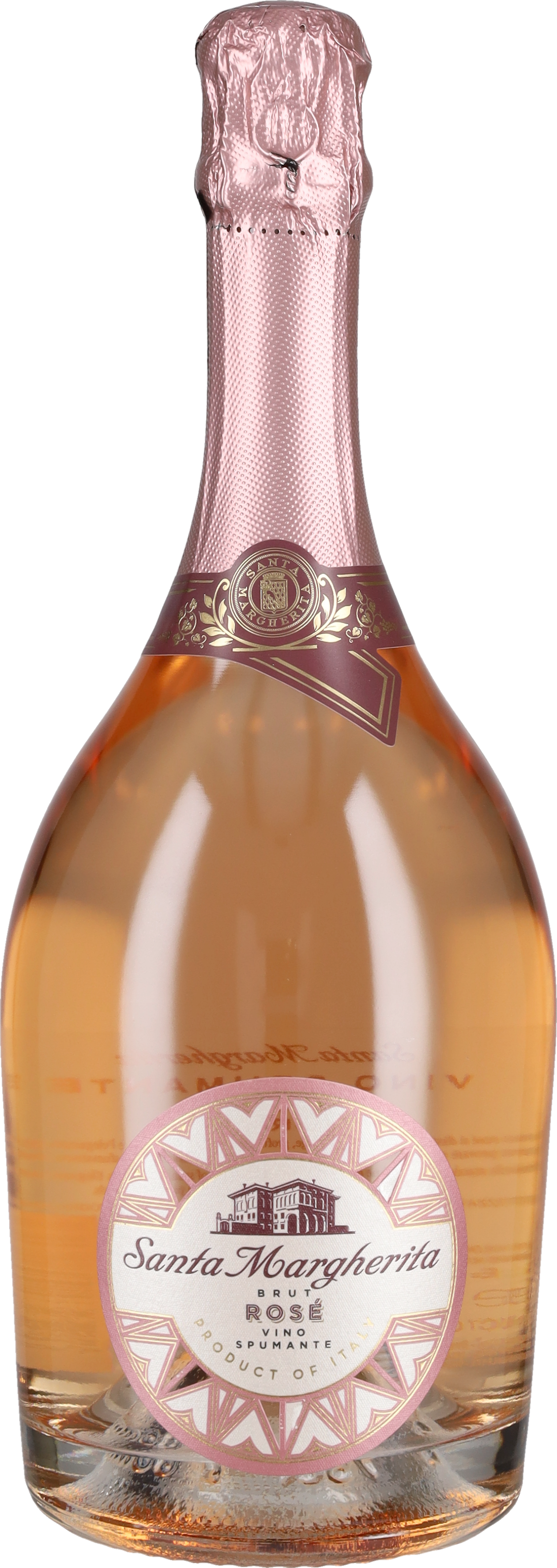
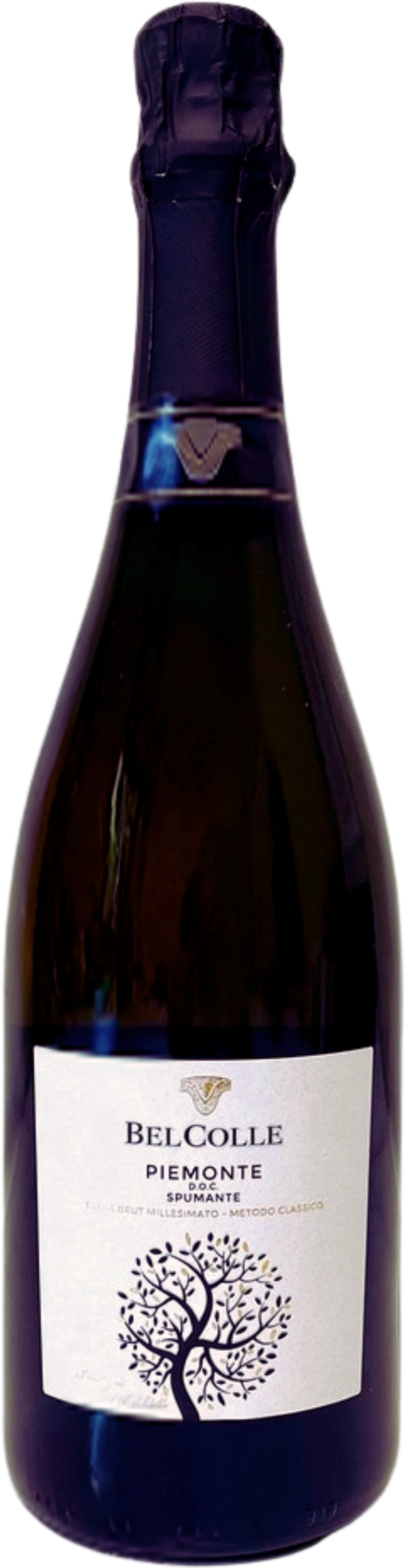
Products related to Sparkling-Traditional-Method-Rosé:
-
White or rosé tuna?
White tuna is typically the preferred choice for sushi and sashimi due to its mild flavor and firm texture. Rosé tuna, also known as bluefin tuna, is prized for its rich, fatty flesh and is often used in dishes like sashimi and sushi. Both types of tuna have their own unique qualities, so the choice ultimately depends on personal preference and the specific dish being prepared. **
-
What is the difference between functional strength training and traditional strength training?
Functional strength training focuses on exercises that mimic everyday movements and activities, such as squatting, lifting, and pushing, to improve overall functionality and movement patterns. Traditional strength training, on the other hand, typically involves exercises that isolate specific muscle groups, such as bicep curls and leg extensions, to increase muscle strength and size. Functional strength training emphasizes the integration of multiple muscle groups and movements, while traditional strength training often focuses on targeting individual muscles. Additionally, functional strength training places a greater emphasis on improving stability, balance, and coordination, while traditional strength training may prioritize increasing muscle mass and strength. **
-
Should traditional performance evaluation be reconsidered?
Yes, traditional performance evaluation should be reconsidered. The traditional approach often focuses on past performance and can be subjective, leading to biases and unfair assessments. Instead, organizations should consider adopting a more modern and holistic approach that includes ongoing feedback, coaching, and development opportunities. This approach can provide a more accurate and comprehensive view of an employee's performance and potential for growth. **
-
What is the shelf life of rosé wine?
The shelf life of rosé wine can vary depending on the specific wine and how it is stored. In general, most rosé wines are best consumed within 1-3 years of their vintage date. However, some higher quality rosé wines can age well for up to 5 years or more if stored in a cool, dark place. It's important to note that once a bottle of rosé wine is opened, it should be consumed within a few days to a week to maintain its freshness and flavor. **
Similar search terms for Sparkling-Traditional-Method-Rosé
-
Can I use rosé instead of white wine for deglazing?
Yes, you can use rosé instead of white wine for deglazing. Rosé wine can add a slightly different flavor profile to the dish compared to white wine, but it can still effectively deglaze the pan and add depth of flavor to your dish. Just keep in mind that the final flavor of the dish may be slightly different than if you had used white wine. **
-
How long does open rosé wine last in the refrigerator?
Open rosé wine can last in the refrigerator for about 3-5 days. However, it's important to note that the flavor and quality of the wine may start to deteriorate after the first day or two. To prolong the life of the wine, it's best to re-cork the bottle tightly and store it in the coldest part of the refrigerator. Using a wine stopper or vacuum pump can also help to preserve the wine for a little longer. **
-
Which dish or meal pairs well with a rosé wine?
A rosé wine pairs well with a variety of dishes due to its versatility. It complements light and fresh flavors, making it a great match for dishes such as salads, seafood, grilled vegetables, and light pasta dishes. The wine's acidity and fruitiness also make it a good pairing for spicy foods, such as Thai or Indian cuisine. Overall, rosé wine is a great choice for a wide range of dishes, making it a versatile option for pairing with meals. **
-
What is a Sparkling Gourami?
A Sparkling Gourami is a small freshwater fish native to Southeast Asia. It is known for its vibrant colors and peaceful nature, making it a popular choice for aquarium enthusiasts. Sparkling Gouramis are relatively easy to care for and can thrive in a well-maintained aquarium with plenty of plants and hiding spots. They are also known for their unique behavior, such as building bubble nests during breeding. **
* All prices are inclusive of VAT and, if applicable, plus shipping costs. The offer information is based on the details provided by the respective shop and is updated through automated processes. Real-time updates do not occur, so deviations can occur in individual cases. ** Note: Parts of this content were created by AI.