Buy sportcoach.eu ?
We are moving the project
sportcoach.eu .
Are you interested in purchasing the domain
sportcoach.eu ?
domain@kv-gmbh.de · 0541-91531010
Buy sportcoach.eu ?
What is exhaust gas recirculation?
Exhaust gas recirculation (EGR) is a technique used in internal combustion engines to reduce nitrogen oxide emissions. It works by recirculating a portion of the engine's exhaust gas back into the combustion chamber. This helps lower the peak combustion temperature, which in turn reduces the formation of nitrogen oxides. EGR systems are commonly found in modern vehicles as a way to meet emissions regulations. **
What is perfume 362?
Perfume 362 is a fragrance created by a specific brand or perfumer. It is a unique blend of aromatic compounds, including essential oils, aroma chemicals, and fixatives, designed to produce a pleasant and long-lasting scent when applied to the skin. Each perfume has its own distinct combination of notes, such as floral, fruity, woody, or spicy, that contribute to its overall character and appeal. Perfume 362 may have its own specific name, but without further context, it is difficult to provide a more detailed description. **
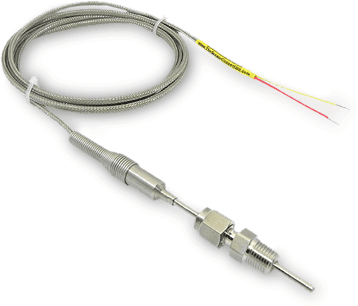

Similar search terms for VEGAZ-TPS-362-Exhaust-gas
Top-Angebote
Products related to VEGAZ-TPS-362-Exhaust-gas:
-
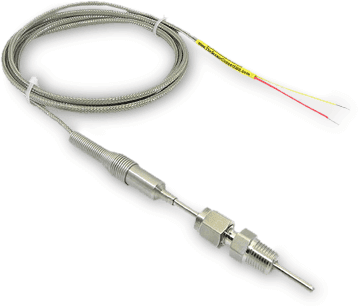
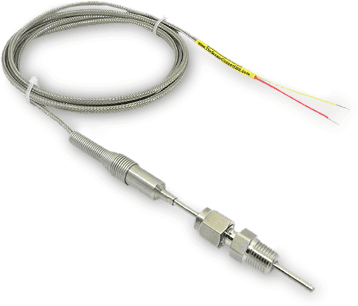
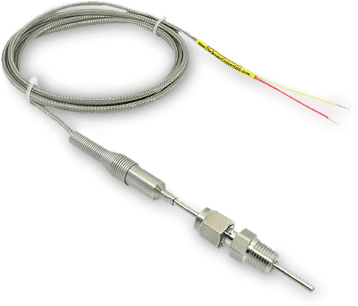
VEGAZ TPS-214 Exhaust gas temperature sensor (EGT)Engine Code: Z 20 DMH, Z 20 DM; Construction Year from: 10/2006; Specification: OE # 4818482, OE # 4803538, OE # 4818661, OE # 4803539; Exhaust System: after catalytic converter; Vehicle Identification Number (VIN) from: 93000001, 9B000001; Vehicle Identification Number (VIN) to: 93999999, 9B999999, 80999999127,99 £*Shipping: 1,99 £Secure redirect to the provider
-
VEGAZ TPS-147 Exhaust gas temperature sensor (EGT)Quality: OE; Exhaust System: before soot particulate filter; Exhaust System: after soot particulate filter; Number of pins: 2; Thread Size: M14x1,5; Cable Length [mm]: 830; Observe service information: ; Supplementary Info: genuine; Engine Code: CLHA, CXXA, CXXB; DBKA, CLHB, CRKB, CRKA, CRKB; CXXB; Construction Year from: 05/2014, 11/2014, 11/2013, 01/2013, 02/2013, 05/2013; Construction Year to: 11/2014, 05/2015; for manufacturer emissions standard: Euro 686,99 £*Shipping: 8,45 £Secure redirect to the provider
-
VEGAZ TPS-175 Exhaust gas temperature sensor (EGT)Quality: OE; Exhaust System: before turbocharger; Exhaust System: before turbocharger; Number of pins: 2; Thread Size: M14x1,5; Cable Length [mm]: 505; Observe service information: ; Supplementary Info: genuine; Engine Code: CKFC, CRMB, CRLB, CUNA, CRBC; CRLB, CRLD, CRBC, CRLB, CKFC; CRLB; CRMB, CUNA; CUPA, CKFC; CRMB, CRBB, CRMB, CRBD; CRLC, CRBD, CRLB; CRMB, CRLB; DFEA, DFEA; DFGA, DFEB; DFGB; Construction Year from: 05/2013, 02/2013, 01/2013, 06/2013, 05/2014; Construction Year to: 04/2016; Specification: OE # 4L906088AE, OE # 4L906088AD82,99 £*Shipping: 8,45 £Secure redirect to the provider
-
VEGAZ TPS-249 Exhaust gas temperature sensor (EGT)Quality: OE; Exhaust System: after soot particulate filter; Number of pins: 2; Thread Size: M14x1,5; Cable Length [mm]: 1100; Observe service information: ; Supplementary Info: genuine; Engine Code: A 17 DTS; Transmission Type: Manual Transmission; not for vehicle equipment line/trim level: Allrad; Model Year from: 2013; Model Year to: 201589,49 £*Shipping: 8,45 £Secure redirect to the provider

-
May I also conduct exhaust gas measurements?
Yes, you may also conduct exhaust gas measurements. It is important to ensure that you have the necessary equipment and expertise to accurately measure and analyze exhaust gas emissions. Additionally, be sure to follow any relevant regulations and safety protocols when conducting these measurements. **
-
Can I also perform exhaust gas measurements?
Yes, you can perform exhaust gas measurements using specialized equipment such as a gas analyzer. This equipment is designed to analyze the composition of gases emitted from a vehicle's exhaust system, providing valuable information about the levels of pollutants being released into the environment. By conducting exhaust gas measurements, you can assess the performance of the vehicle's engine, identify any potential issues with emissions control systems, and ensure compliance with environmental regulations. **
-
At what temperature does exhaust gas develop in a car's exhaust system?
Exhaust gas begins to develop in a car's exhaust system when the engine reaches its operating temperature, which is typically around 200-250 degrees Fahrenheit. As the engine runs, the combustion process produces exhaust gases that are then expelled through the exhaust system. The temperature of the exhaust gas can increase as the engine works harder, such as during acceleration or towing heavy loads. **
-
Why is the server's TPS low?
The server's TPS (Ticks Per Second) may be low due to a high number of players online, causing increased server load and processing demands. Additionally, the presence of resource-intensive plugins or mods can also contribute to lower TPS. Insufficient server resources such as CPU, RAM, or network bandwidth can also lead to decreased TPS. It is important to monitor and optimize server performance to maintain a stable TPS for a smooth gameplay experience. **


May I also carry out exhaust gas measurements?
Yes, you may also carry out exhaust gas measurements. This process involves analyzing the gases emitted from a vehicle's exhaust system to assess its emissions levels. It is an important aspect of vehicle maintenance and environmental compliance, as it helps identify any issues with the engine or emissions control systems. Conducting exhaust gas measurements can provide valuable information for ensuring the vehicle is running efficiently and meeting regulatory standards. **
What is exhaust gas recirculation in a scooter?
Exhaust gas recirculation (EGR) in a scooter is a system that helps reduce harmful emissions by redirecting a portion of the exhaust gases back into the combustion chamber. This process helps lower the combustion temperature, which in turn reduces the formation of nitrogen oxides (NOx). By reintroducing exhaust gases into the engine, EGR can improve fuel efficiency and decrease pollution levels emitted by the scooter. **
Top-Angebote
Products related to VEGAZ-TPS-362-Exhaust-gas:
-
VEGAZ TPS-362 Exhaust gas temperature sensor (EGT)Quality: OE; Exhaust System: after soot particulate filter; Exhaust System: after soot particulate filter; Number of pins: 2; Thread Size: M14x1,5; Cable Length [mm]: 1280; Observe service information: ; Supplementary Info: genuine; Construction Year to: 02/2008, 10/2008, 06/2008, 08/2008; Engine Number from: 51065674, 58; Engine Code: Z 19 DT, Z 19 DTH; Vehicle Identification Number (VIN) to: 51065673; Vehicle Identification Number (VIN) from: 51065674, 49000000; Engine Number to: 51065673, 4899999992,49 £*Shipping: 8,45 £Secure redirect to the provider
-
VEGAZ TPS-382 Exhaust gas temperature sensor (EGT)Construction Year from: 12/2011, 11/2011, 05/2011, 03/2012, 01/2012, 07/2013, 09/2012; Construction Year to: 07/2013, 05/2012, 12/2011, 05/2013, 12/2014, 04/2014; Engine Code: CLAB, CLAA, CDUC; CKVB, CJMA, CRCA, CLZB, CDTB, CDUC; CKVB; CKVC, CJGA, CNRB, CDUD; CKVC, CDTA; CMHA, CJGC; CJMA, CDUD; Exhaust System: before turbocharger, before soot particulate filter, before catalytic converter; Specification: OE # 59906088CE85,99 £*Shipping: 8,45 £Secure redirect to the provider
-
VEGAZ TPS-214 Exhaust gas temperature sensor (EGT)Engine Code: Z 20 DMH, Z 20 DM; Construction Year from: 10/2006; Specification: OE # 4818482, OE # 4803538, OE # 4818661, OE # 4803539; Exhaust System: after catalytic converter; Vehicle Identification Number (VIN) from: 93000001, 9B000001; Vehicle Identification Number (VIN) to: 93999999, 9B999999, 80999999127,99 £*Shipping: 1,99 £Secure redirect to the provider
-
VEGAZ TPS-147 Exhaust gas temperature sensor (EGT)Quality: OE; Exhaust System: before soot particulate filter; Exhaust System: after soot particulate filter; Number of pins: 2; Thread Size: M14x1,5; Cable Length [mm]: 830; Observe service information: ; Supplementary Info: genuine; Engine Code: CLHA, CXXA, CXXB; DBKA, CLHB, CRKB, CRKA, CRKB; CXXB; Construction Year from: 05/2014, 11/2014, 11/2013, 01/2013, 02/2013, 05/2013; Construction Year to: 11/2014, 05/2015; for manufacturer emissions standard: Euro 686,99 £*Shipping: 8,45 £Secure redirect to the provider
-
What is exhaust gas recirculation?
Exhaust gas recirculation (EGR) is a technique used in internal combustion engines to reduce nitrogen oxide emissions. It works by recirculating a portion of the engine's exhaust gas back into the combustion chamber. This helps lower the peak combustion temperature, which in turn reduces the formation of nitrogen oxides. EGR systems are commonly found in modern vehicles as a way to meet emissions regulations. **
-
What is perfume 362?
Perfume 362 is a fragrance created by a specific brand or perfumer. It is a unique blend of aromatic compounds, including essential oils, aroma chemicals, and fixatives, designed to produce a pleasant and long-lasting scent when applied to the skin. Each perfume has its own distinct combination of notes, such as floral, fruity, woody, or spicy, that contribute to its overall character and appeal. Perfume 362 may have its own specific name, but without further context, it is difficult to provide a more detailed description. **
-
May I also conduct exhaust gas measurements?
Yes, you may also conduct exhaust gas measurements. It is important to ensure that you have the necessary equipment and expertise to accurately measure and analyze exhaust gas emissions. Additionally, be sure to follow any relevant regulations and safety protocols when conducting these measurements. **
-
Can I also perform exhaust gas measurements?
Yes, you can perform exhaust gas measurements using specialized equipment such as a gas analyzer. This equipment is designed to analyze the composition of gases emitted from a vehicle's exhaust system, providing valuable information about the levels of pollutants being released into the environment. By conducting exhaust gas measurements, you can assess the performance of the vehicle's engine, identify any potential issues with emissions control systems, and ensure compliance with environmental regulations. **
Similar search terms for VEGAZ-TPS-362-Exhaust-gas
-
VEGAZ TPS-175 Exhaust gas temperature sensor (EGT)Quality: OE; Exhaust System: before turbocharger; Exhaust System: before turbocharger; Number of pins: 2; Thread Size: M14x1,5; Cable Length [mm]: 505; Observe service information: ; Supplementary Info: genuine; Engine Code: CKFC, CRMB, CRLB, CUNA, CRBC; CRLB, CRLD, CRBC, CRLB, CKFC; CRLB; CRMB, CUNA; CUPA, CKFC; CRMB, CRBB, CRMB, CRBD; CRLC, CRBD, CRLB; CRMB, CRLB; DFEA, DFEA; DFGA, DFEB; DFGB; Construction Year from: 05/2013, 02/2013, 01/2013, 06/2013, 05/2014; Construction Year to: 04/2016; Specification: OE # 4L906088AE, OE # 4L906088AD82,99 £*Shipping: 8,45 £Secure redirect to the provider
-
VEGAZ TPS-249 Exhaust gas temperature sensor (EGT)Quality: OE; Exhaust System: after soot particulate filter; Number of pins: 2; Thread Size: M14x1,5; Cable Length [mm]: 1100; Observe service information: ; Supplementary Info: genuine; Engine Code: A 17 DTS; Transmission Type: Manual Transmission; not for vehicle equipment line/trim level: Allrad; Model Year from: 2013; Model Year to: 201589,49 £*Shipping: 8,45 £Secure redirect to the provider
-
VEGAZ TPS-398 Exhaust gas temperature sensor (EGT)Vehicle Identification Number (VIN) from: A503067, A576931; Engine Code: OM 629.912; Fitting Position: Left, Right; Exhaust System: after soot particulate filter; Construction Year to: 05/2009, 05/2011; Construction Year from: 12/200988,99 £*Shipping: 8,45 £Secure redirect to the provider
-
VEGAZ TPS-173 Exhaust gas temperature sensor (EGT)Quality: OE; not for manufacturer emissions standard: Euro 6; Engine Code: 263A4.000; 263A5.000, 263A3.000; Exhaust System: after catalytic converter, after soot particulate filter; Specification: OE # 5182569767,99 £*Shipping: 8,45 £Secure redirect to the provider
-
At what temperature does exhaust gas develop in a car's exhaust system?
Exhaust gas begins to develop in a car's exhaust system when the engine reaches its operating temperature, which is typically around 200-250 degrees Fahrenheit. As the engine runs, the combustion process produces exhaust gases that are then expelled through the exhaust system. The temperature of the exhaust gas can increase as the engine works harder, such as during acceleration or towing heavy loads. **
-
Why is the server's TPS low?
The server's TPS (Ticks Per Second) may be low due to a high number of players online, causing increased server load and processing demands. Additionally, the presence of resource-intensive plugins or mods can also contribute to lower TPS. Insufficient server resources such as CPU, RAM, or network bandwidth can also lead to decreased TPS. It is important to monitor and optimize server performance to maintain a stable TPS for a smooth gameplay experience. **
-
May I also carry out exhaust gas measurements?
Yes, you may also carry out exhaust gas measurements. This process involves analyzing the gases emitted from a vehicle's exhaust system to assess its emissions levels. It is an important aspect of vehicle maintenance and environmental compliance, as it helps identify any issues with the engine or emissions control systems. Conducting exhaust gas measurements can provide valuable information for ensuring the vehicle is running efficiently and meeting regulatory standards. **
-
What is exhaust gas recirculation in a scooter?
Exhaust gas recirculation (EGR) in a scooter is a system that helps reduce harmful emissions by redirecting a portion of the exhaust gases back into the combustion chamber. This process helps lower the combustion temperature, which in turn reduces the formation of nitrogen oxides (NOx). By reintroducing exhaust gases into the engine, EGR can improve fuel efficiency and decrease pollution levels emitted by the scooter. **
* All prices are inclusive of VAT and, if applicable, plus shipping costs. The offer information is based on the details provided by the respective shop and is updated through automated processes. Real-time updates do not occur, so deviations can occur in individual cases. ** Note: Parts of this content were created by AI.