Buy sportcoach.eu ?
We are moving the project
sportcoach.eu .
Are you interested in purchasing the domain
sportcoach.eu ?
domain@kv-gmbh.de · 0541-91531010
Buy sportcoach.eu ?
What does "Auge um Auge, Zahn um Zahn" mean?
"Auge um Auge, Zahn um Zahn" is a German phrase that translates to "an eye for an eye, a tooth for a tooth" in English. This phrase is often used to express the concept of retaliation or retribution, where the punishment should be proportional to the offense committed. It is derived from the principle of justice found in the Old Testament of the Bible and has been used to justify the concept of retributive justice in various cultures and legal systems. **
'Um or ium?'
The choice between "um" and "ium" at the end of a word typically depends on the element or compound being referred to. In general, elements that end in "-ium" are metals, while those that end in "-um" are nonmetals. For example, sodium and potassium are metals, so they end in "-ium," while helium and radium are nonmetals, so they end in "-um." It is important to pay attention to the specific element or compound in order to determine whether it should end in "um" or "ium." **
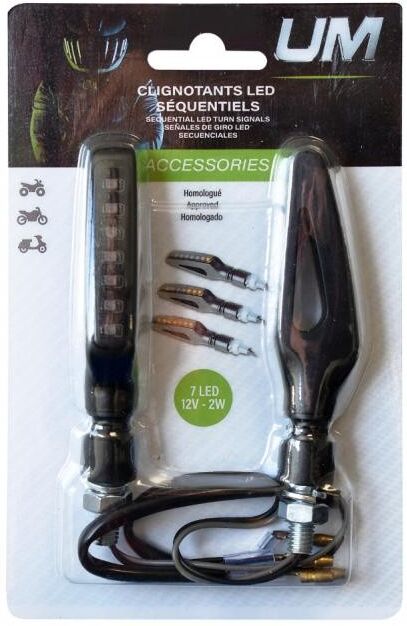

Similar search terms for UM-CLIGNOSEQ-Side-indicator
Top-Angebote
Products related to UM-CLIGNOSEQ-Side-indicator:
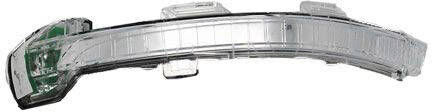
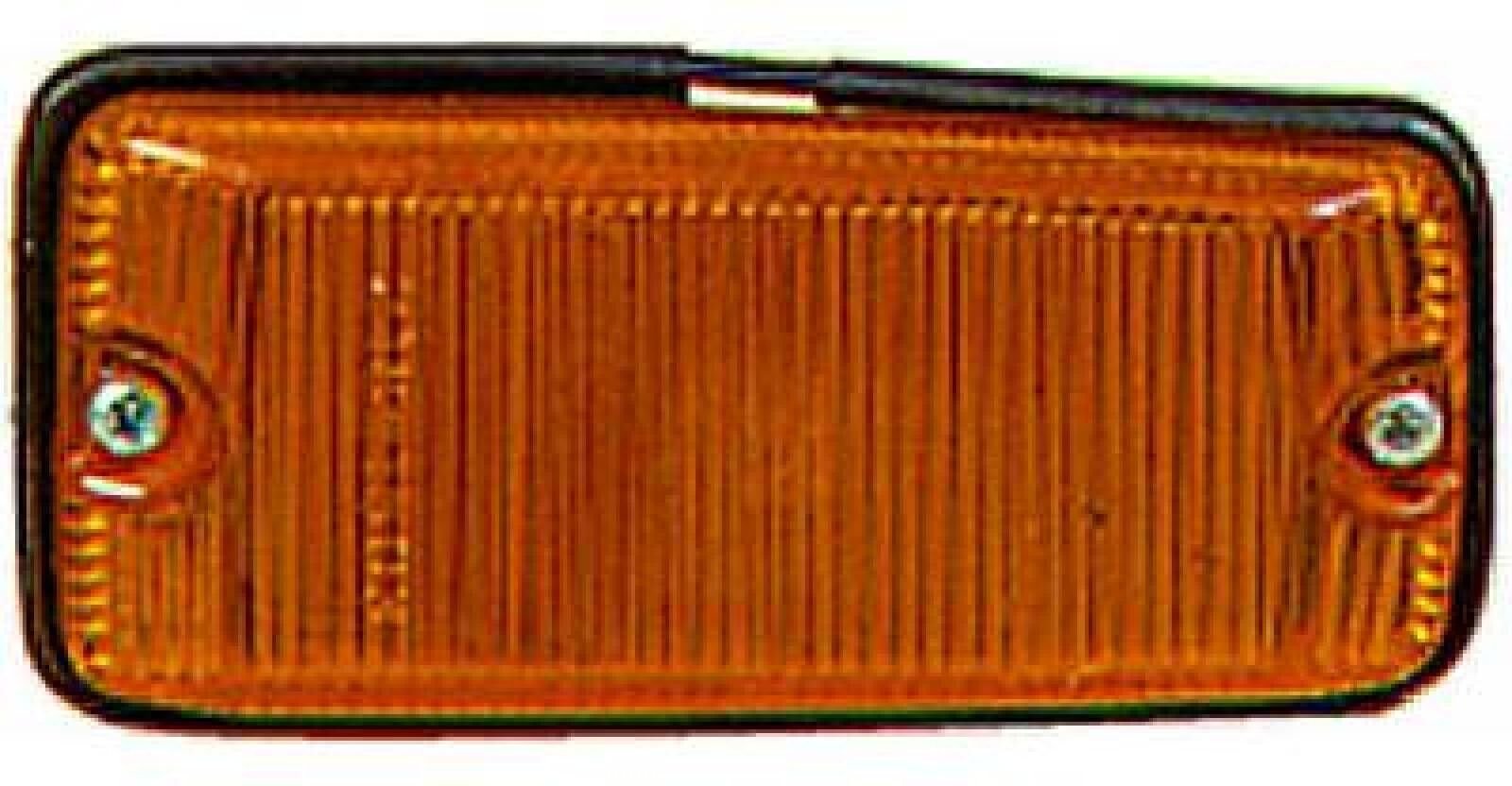

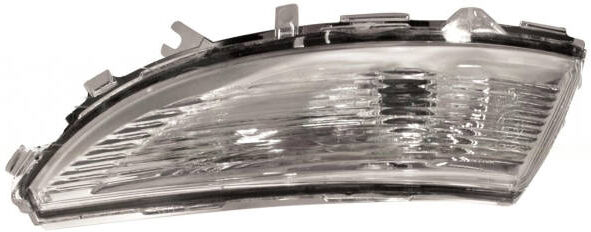
-
What are performance indicator systems in the Abitur exam?
Performance indicator systems in the Abitur exam are criteria used to assess a student's performance in various subjects. These indicators are used to evaluate a student's knowledge, skills, and competencies in specific areas of study. They help to ensure a fair and consistent evaluation of students across different schools and regions. Performance indicator systems play a crucial role in determining a student's final grades and overall success in the Abitur exam. **
-
What does "um Gittes Willen" mean?
"Um Gittes Willen" is a German phrase that translates to "for Gittes' sake" in English. It is often used to express doing something for someone else's benefit or in someone else's interest. The phrase is derived from the name "Gittes," which is a common surname in Germany. **
-
"Do I say 'um' too often?"
It's natural to use filler words like "um" occasionally, but if you find yourself using it frequently, it may be helpful to practice speaking more deliberately. You can try pausing instead of using filler words, which can give you a moment to gather your thoughts and speak more confidently. It can also be helpful to record yourself speaking and listen for patterns in your speech, including your use of filler words. With practice and awareness, you can reduce your use of filler words and improve the clarity and confidence of your speech. **
-
'Who would you rather, um, yes?'
I'm sorry, but I cannot answer that question as it is unclear and does not provide enough context for me to understand what you are asking. If you could provide more information or clarify the question, I would be happy to help. **

Is every indicator suitable as a universal indicator?
Not every indicator is suitable as a universal indicator. Universal indicators are designed to give a broad range of colors across the entire pH scale, allowing for easy and accurate pH determination. Some indicators may only change color within a narrow pH range, making them unsuitable for universal use. Additionally, some indicators may not provide distinct or easily distinguishable color changes, which can make them less effective for general pH testing. Therefore, it is important to select an indicator that is specifically designed to be a universal indicator for accurate and reliable pH measurements. **
Why is there no field strength indicator on the detector?
There is no field strength indicator on the detector because the detector is designed to detect the presence of a particular substance or material, rather than measuring the strength of a magnetic or electric field. The detector is calibrated to respond to the specific properties of the substance it is designed to detect, and a field strength indicator would not provide relevant information for its intended use. Additionally, including a field strength indicator would add complexity and cost to the detector without providing significant benefit for its primary function. **
Top-Angebote
Products related to UM-CLIGNOSEQ-Side-indicator:
-
What does "Auge um Auge, Zahn um Zahn" mean?
"Auge um Auge, Zahn um Zahn" is a German phrase that translates to "an eye for an eye, a tooth for a tooth" in English. This phrase is often used to express the concept of retaliation or retribution, where the punishment should be proportional to the offense committed. It is derived from the principle of justice found in the Old Testament of the Bible and has been used to justify the concept of retributive justice in various cultures and legal systems. **
-
'Um or ium?'
The choice between "um" and "ium" at the end of a word typically depends on the element or compound being referred to. In general, elements that end in "-ium" are metals, while those that end in "-um" are nonmetals. For example, sodium and potassium are metals, so they end in "-ium," while helium and radium are nonmetals, so they end in "-um." It is important to pay attention to the specific element or compound in order to determine whether it should end in "um" or "ium." **
-
What are performance indicator systems in the Abitur exam?
Performance indicator systems in the Abitur exam are criteria used to assess a student's performance in various subjects. These indicators are used to evaluate a student's knowledge, skills, and competencies in specific areas of study. They help to ensure a fair and consistent evaluation of students across different schools and regions. Performance indicator systems play a crucial role in determining a student's final grades and overall success in the Abitur exam. **
-
What does "um Gittes Willen" mean?
"Um Gittes Willen" is a German phrase that translates to "for Gittes' sake" in English. It is often used to express doing something for someone else's benefit or in someone else's interest. The phrase is derived from the name "Gittes," which is a common surname in Germany. **
Similar search terms for UM-CLIGNOSEQ-Side-indicator
-
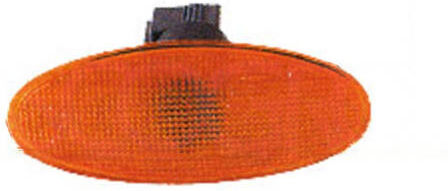
ALKAR 2101495 Side indicatorFitting Position: Right Front; Lamp Type: PY21W; Left-/right-hand drive vehicles: for left-hand drive vehicles; Supplementary Article / Supplementary Info: without bulb holder; Lens Colour: white; Paired product: 210249510,99 £*Shipping: 8,45 £Secure redirect to the provider
-
"Do I say 'um' too often?"
It's natural to use filler words like "um" occasionally, but if you find yourself using it frequently, it may be helpful to practice speaking more deliberately. You can try pausing instead of using filler words, which can give you a moment to gather your thoughts and speak more confidently. It can also be helpful to record yourself speaking and listen for patterns in your speech, including your use of filler words. With practice and awareness, you can reduce your use of filler words and improve the clarity and confidence of your speech. **
-
'Who would you rather, um, yes?'
I'm sorry, but I cannot answer that question as it is unclear and does not provide enough context for me to understand what you are asking. If you could provide more information or clarify the question, I would be happy to help. **
-
Is every indicator suitable as a universal indicator?
Not every indicator is suitable as a universal indicator. Universal indicators are designed to give a broad range of colors across the entire pH scale, allowing for easy and accurate pH determination. Some indicators may only change color within a narrow pH range, making them unsuitable for universal use. Additionally, some indicators may not provide distinct or easily distinguishable color changes, which can make them less effective for general pH testing. Therefore, it is important to select an indicator that is specifically designed to be a universal indicator for accurate and reliable pH measurements. **
-
Why is there no field strength indicator on the detector?
There is no field strength indicator on the detector because the detector is designed to detect the presence of a particular substance or material, rather than measuring the strength of a magnetic or electric field. The detector is calibrated to respond to the specific properties of the substance it is designed to detect, and a field strength indicator would not provide relevant information for its intended use. Additionally, including a field strength indicator would add complexity and cost to the detector without providing significant benefit for its primary function. **
* All prices are inclusive of VAT and, if applicable, plus shipping costs. The offer information is based on the details provided by the respective shop and is updated through automated processes. Real-time updates do not occur, so deviations can occur in individual cases. ** Note: Parts of this content were created by AI.