Buy sportcoach.eu ?
We are moving the project
sportcoach.eu .
Are you interested in purchasing the domain
sportcoach.eu ?
domain@kv-gmbh.de · 0541-91531010
Buy sportcoach.eu ?
What is the difference between magnetic field strength and magnetic flux density?
Magnetic field strength refers to the intensity of a magnetic field at a specific point in space, measured in units of amperes per meter (A/m). On the other hand, magnetic flux density, also known as magnetic induction, is a measure of the amount of magnetic flux passing through a specific area, measured in units of teslas (T). In simpler terms, magnetic field strength describes the force exerted by a magnetic field on a moving charge, while magnetic flux density describes the amount of magnetic field lines passing through a given area. **
How can the magnetic field strength be measured?
The magnetic field strength can be measured using a device called a magnetometer. There are different types of magnetometers, including fluxgate magnetometers, proton precession magnetometers, and Hall effect magnetometers. These devices can detect and measure the strength of the magnetic field by sensing the interaction between the magnetic field and the sensor. The output of the magnetometer can then be used to quantify the strength of the magnetic field at a specific location. **

Similar search terms for TengTools-04200101-Magnetic-Lift
Top-Angebote
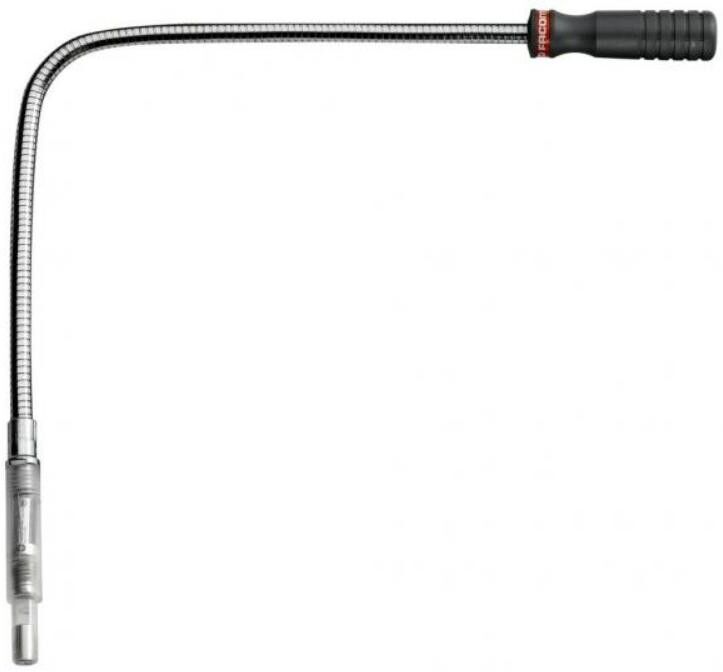
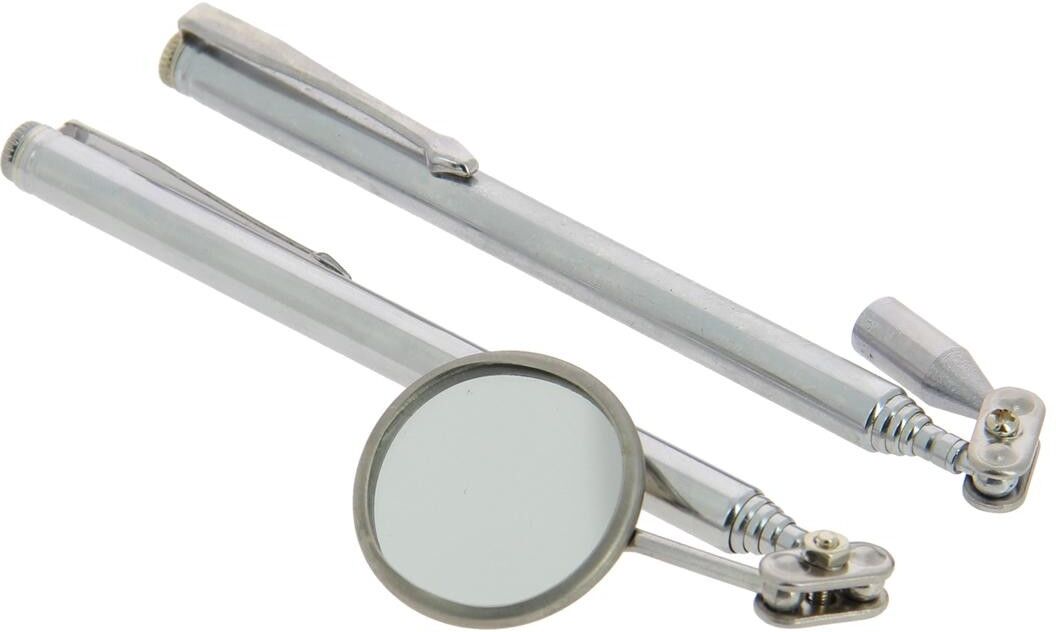
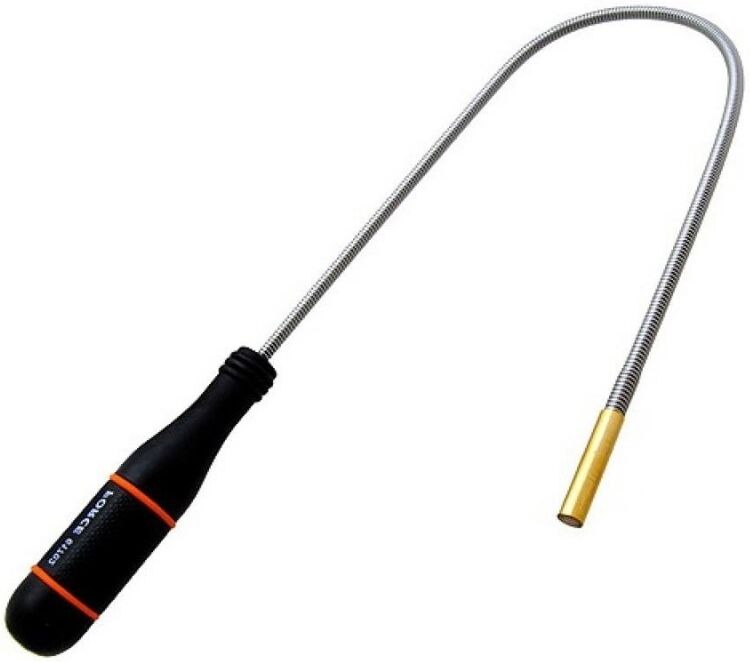
Products related to TengTools-04200101-Magnetic-Lift:


-
What is the magnetic field strength and voltage?
The magnetic field strength is a measure of the force exerted by a magnetic field on a moving charged particle. It is typically measured in units of tesla (T) or gauss (G). The voltage, on the other hand, is a measure of the electric potential difference between two points in an electric circuit. It is typically measured in units of volts (V). Both the magnetic field strength and voltage are important parameters in understanding and analyzing the behavior of electric and magnetic fields in various applications, such as in electrical engineering, physics, and technology. **
-
Can you lift 350 kg in fitness, cleaned?
Lifting 350 kg in a clean is an extremely heavy weight and would require an advanced level of strength and technique. It is not a common weight for most individuals to lift in a clean exercise, as it is well beyond what is typically considered achievable for the average person. It is important to always prioritize safety and proper form when lifting heavy weights to prevent injury. **
-
Is it possible to use a rotor with multiple blades and a magnetic field drive for lift?
Yes, it is possible to use a rotor with multiple blades and a magnetic field drive for lift. This concept is similar to a traditional helicopter rotor system, but instead of using a combustion engine to drive the rotor, a magnetic field drive would provide the necessary power. The multiple blades on the rotor would generate lift as they rotate, and the magnetic field drive would provide the necessary torque to keep the rotor spinning. This concept has the potential to be more efficient and environmentally friendly compared to traditional rotor systems. **
-
What is the difference between the magnetic field strength H and the magnetic flux density B?
The magnetic field strength H is a measure of the intensity of the magnetic field within a material, while the magnetic flux density B is a measure of the amount of magnetic flux within a given area. In other words, H measures the force exerted by the magnetic field on a unit of current, while B measures the amount of magnetic field lines passing through a given area. The relationship between H and B is given by B = μH, where μ is the permeability of the material. **
Why is Lift Apfelschorle called Lift Apfelschorle?
Lift Apfelschorle is called so because "Lift" is the brand name of the beverage, and "Apfelschorle" is a German term that refers to a popular drink made by mixing apple juice with carbonated water. By combining these two elements in the name, the brand clearly communicates that the product is a carbonated apple juice drink. This name helps consumers easily identify and understand the product they are purchasing. **
How is the strength of the Earth's magnetic field determined?
The strength of the Earth's magnetic field is determined by measuring the magnetic field intensity at various locations on the Earth's surface. This is typically done using instruments such as magnetometers, which can detect and measure the strength and direction of the magnetic field. By collecting data from different locations and analyzing the measurements, scientists can map out the variations in the Earth's magnetic field strength and gain an understanding of its overall intensity. Additionally, studies of ancient rocks and minerals can provide information about the historical changes in the Earth's magnetic field strength. **
Top-Angebote
Products related to TengTools-04200101-Magnetic-Lift:
-
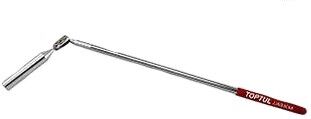
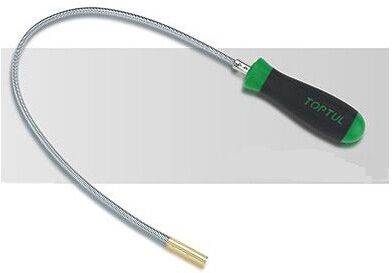
TengTools 04200101 Magnetic LiftOverall Length [mm]: 135; Telescopic arm length [mm]: 135-540; Supplementary Article / Supplementary Info Info 2: Magnetic; Magnet Head Diameter [mm]: 6; Magnetic Holding Force [g]: 454; Parameter: pocket clip19,99 £*Shipping: 8,45 £Secure redirect to the provider
-
What is the difference between magnetic field strength and magnetic flux density?
Magnetic field strength refers to the intensity of a magnetic field at a specific point in space, measured in units of amperes per meter (A/m). On the other hand, magnetic flux density, also known as magnetic induction, is a measure of the amount of magnetic flux passing through a specific area, measured in units of teslas (T). In simpler terms, magnetic field strength describes the force exerted by a magnetic field on a moving charge, while magnetic flux density describes the amount of magnetic field lines passing through a given area. **
-
How can the magnetic field strength be measured?
The magnetic field strength can be measured using a device called a magnetometer. There are different types of magnetometers, including fluxgate magnetometers, proton precession magnetometers, and Hall effect magnetometers. These devices can detect and measure the strength of the magnetic field by sensing the interaction between the magnetic field and the sensor. The output of the magnetometer can then be used to quantify the strength of the magnetic field at a specific location. **
-
What is the magnetic field strength and voltage?
The magnetic field strength is a measure of the force exerted by a magnetic field on a moving charged particle. It is typically measured in units of tesla (T) or gauss (G). The voltage, on the other hand, is a measure of the electric potential difference between two points in an electric circuit. It is typically measured in units of volts (V). Both the magnetic field strength and voltage are important parameters in understanding and analyzing the behavior of electric and magnetic fields in various applications, such as in electrical engineering, physics, and technology. **
-
Can you lift 350 kg in fitness, cleaned?
Lifting 350 kg in a clean is an extremely heavy weight and would require an advanced level of strength and technique. It is not a common weight for most individuals to lift in a clean exercise, as it is well beyond what is typically considered achievable for the average person. It is important to always prioritize safety and proper form when lifting heavy weights to prevent injury. **
Similar search terms for TengTools-04200101-Magnetic-Lift
-
Is it possible to use a rotor with multiple blades and a magnetic field drive for lift?
Yes, it is possible to use a rotor with multiple blades and a magnetic field drive for lift. This concept is similar to a traditional helicopter rotor system, but instead of using a combustion engine to drive the rotor, a magnetic field drive would provide the necessary power. The multiple blades on the rotor would generate lift as they rotate, and the magnetic field drive would provide the necessary torque to keep the rotor spinning. This concept has the potential to be more efficient and environmentally friendly compared to traditional rotor systems. **
-
What is the difference between the magnetic field strength H and the magnetic flux density B?
The magnetic field strength H is a measure of the intensity of the magnetic field within a material, while the magnetic flux density B is a measure of the amount of magnetic flux within a given area. In other words, H measures the force exerted by the magnetic field on a unit of current, while B measures the amount of magnetic field lines passing through a given area. The relationship between H and B is given by B = μH, where μ is the permeability of the material. **
-
Why is Lift Apfelschorle called Lift Apfelschorle?
Lift Apfelschorle is called so because "Lift" is the brand name of the beverage, and "Apfelschorle" is a German term that refers to a popular drink made by mixing apple juice with carbonated water. By combining these two elements in the name, the brand clearly communicates that the product is a carbonated apple juice drink. This name helps consumers easily identify and understand the product they are purchasing. **
-
How is the strength of the Earth's magnetic field determined?
The strength of the Earth's magnetic field is determined by measuring the magnetic field intensity at various locations on the Earth's surface. This is typically done using instruments such as magnetometers, which can detect and measure the strength and direction of the magnetic field. By collecting data from different locations and analyzing the measurements, scientists can map out the variations in the Earth's magnetic field strength and gain an understanding of its overall intensity. Additionally, studies of ancient rocks and minerals can provide information about the historical changes in the Earth's magnetic field strength. **
* All prices are inclusive of VAT and, if applicable, plus shipping costs. The offer information is based on the details provided by the respective shop and is updated through automated processes. Real-time updates do not occur, so deviations can occur in individual cases. ** Note: Parts of this content were created by AI.