Buy sportcoach.eu ?
We are moving the project
sportcoach.eu .
Are you interested in purchasing the domain
sportcoach.eu ?
domain@kv-gmbh.de · 0541-91531010
Buy sportcoach.eu ?
Where is the clutch slave cylinder located in a Skoda Octavia?
The clutch slave cylinder in a Skoda Octavia is typically located on the transmission housing, near the clutch release mechanism. It is usually mounted on the outside of the transmission, close to the clutch fork. To access and replace the clutch slave cylinder, the transmission may need to be partially removed for easier access. It is important to consult the vehicle's manual or seek professional help when working on the clutch system. **
Where is the clutch slave cylinder located in the VW Polo 6N 1.0?
The clutch slave cylinder in the VW Polo 6N 1.0 is typically located on the transmission housing, near the clutch release mechanism. It is connected to the clutch master cylinder via hydraulic lines and is responsible for transferring hydraulic pressure to disengage the clutch when the clutch pedal is pressed. The exact location may vary slightly depending on the specific model year and engine configuration of the vehicle. **


Similar search terms for TRW-PJH188-Clutch-slave
Top-Angebote
Products related to TRW-PJH188-Clutch-slave:
-
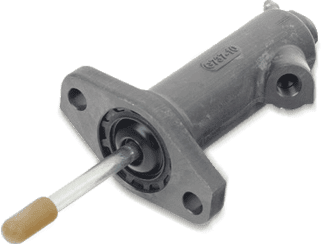
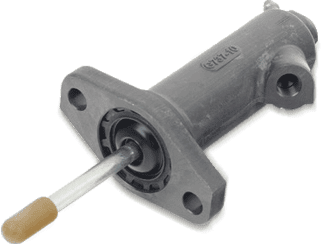
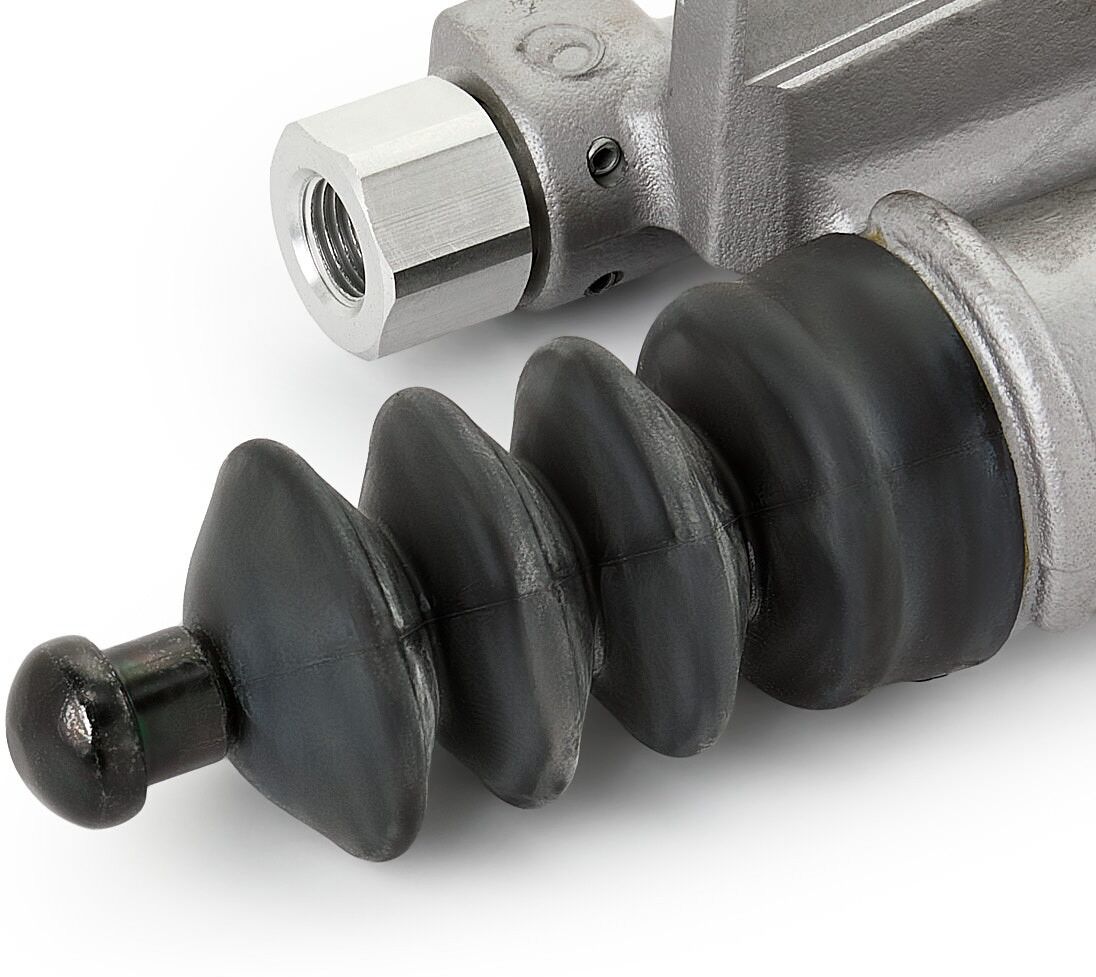
TRW PJD174 Clutch slave cylinderDiameter: 19; Vehicle Identification Number (VIN) from: 433619; Construction Year from: 12/1995, 07/1994, 05/1997, 07/1996, 05/1994, 08/1999, 01/1992; Construction Year to: 07/1998, 02/1997, 01/1996, 04/1994, 07/1999, 04/2002, 02/2002, 11/1996; Engine Code: KJ15; Drive Type: All-wheel Drive; Left-/right-hand drive vehicles: for left-hand drive vehicles, for right-hand drive vehicles21,49 £*Shipping: 8,45 £Secure redirect to the provider
-
TRW PJD785 Clutch slave cylinderDiameter: 19,1; Construction Year from: 10/2012; Left-/right-hand drive vehicles: for left-hand drive vehicles, for right-hand drive vehicles; Model Year to: 2007; Transmission Type: 6-Speed Manual Transmission; Vehicle Production Country: USA; Engine Code: K42W1, K42W268,99 £*Shipping: 8,45 £Secure redirect to the provider

-
'Host or Slave?'
The concept of "Host or Slave" can be interpreted in various ways. In a biological context, it could refer to the relationship between a parasite and its host, where the parasite benefits at the expense of the host. In a social or psychological context, it could refer to the dynamics of power and control in a relationship, where one person may feel like they are being dominated or controlled by the other. Ultimately, the concept of "Host or Slave" raises important questions about the balance of power and mutual benefit in different types of relationships. **
-
What is a slave?
A slave is a person who is owned by another person and is forced to work for them without pay. Slavery has been a common practice throughout history, where individuals are treated as property and have no personal freedom or rights. Slavery has been used for various purposes, such as labor, domestic work, or even as a form of punishment. It is considered a violation of human rights and is now illegal in most countries around the world. **
-
Is one treated like a slave in warehouse logistics training?
No, one is not treated like a slave in warehouse logistics training. Training programs are designed to educate individuals on the proper procedures and techniques for working in a warehouse setting. Participants are typically treated with respect and provided with the necessary knowledge and skills to perform their job effectively. It is important for trainers to create a positive and supportive learning environment to ensure the success of their trainees. **
-
Did slave drivers used to receive training, do you think?
Yes, slave drivers likely received some form of training in order to effectively manage and control the enslaved individuals under their supervision. This training may have included instruction on how to use physical force and intimidation to maintain control, as well as strategies for maximizing productivity and minimizing resistance. Additionally, slave drivers may have learned from more experienced overseers or received guidance from the plantation owner on how to effectively manage the enslaved workforce. Overall, it is likely that some form of training was provided to slave drivers in order to ensure the smooth operation of the plantation. **

What is a slave market?
A slave market is a place where individuals are bought and sold as slaves. Historically, slave markets were common during the transatlantic slave trade, where Africans were captured and sold to European slave traders. In a slave market, individuals were treated as commodities and were often subjected to inhumane conditions and treatment. Today, slavery is illegal in most countries, but human trafficking and modern forms of slavery still exist in various parts of the world. **
Were there black slave owners?
Yes, there were black slave owners in the United States. Some free black people owned slaves before the Civil War, either for economic reasons or to protect family members from being enslaved. However, it is important to note that the number of black slave owners was relatively small compared to white slave owners, and their ownership of slaves did not change the overall system of slavery or the power dynamics at play. **
Top-Angebote
Products related to TRW-PJH188-Clutch-slave:
-
TRW PJH188 Clutch slave cylinderManufacturer Restriction: FTE; Diameter: 22,2; Construction Year to: 12/1999, 08/2000, 11/2001, 04/2001, 07/2001, 07/2000, 08/1998, 06/2006, 05/2003; Drive Type: Rear-Wheel Drive, All-wheel Drive; for model code/type code: 28; TecDoc Engine Number: 9295, 9294, 13445, 16451, 16452, 5682, 6020, 18921, 16438, 18923, 8024, 18922; Vehicle type: LT28, LT35, LT46, LT32; Construction Year from: 12/1996, 01/1997; Engine Code: 900917, 900919, 904914, 90091858,49 £*Shipping: 8,45 £Secure redirect to the provider
-
TRW PJD174 Clutch slave cylinderDiameter: 19; Vehicle Identification Number (VIN) from: 433619; Construction Year from: 12/1995, 07/1994, 05/1997, 07/1996, 05/1994, 08/1999, 01/1992; Construction Year to: 07/1998, 02/1997, 01/1996, 04/1994, 07/1999, 04/2002, 02/2002, 11/1996; Engine Code: KJ15; Drive Type: All-wheel Drive; Left-/right-hand drive vehicles: for left-hand drive vehicles, for right-hand drive vehicles21,49 £*Shipping: 8,45 £Secure redirect to the provider
-
Where is the clutch slave cylinder located in a Skoda Octavia?
The clutch slave cylinder in a Skoda Octavia is typically located on the transmission housing, near the clutch release mechanism. It is usually mounted on the outside of the transmission, close to the clutch fork. To access and replace the clutch slave cylinder, the transmission may need to be partially removed for easier access. It is important to consult the vehicle's manual or seek professional help when working on the clutch system. **
-
Where is the clutch slave cylinder located in the VW Polo 6N 1.0?
The clutch slave cylinder in the VW Polo 6N 1.0 is typically located on the transmission housing, near the clutch release mechanism. It is connected to the clutch master cylinder via hydraulic lines and is responsible for transferring hydraulic pressure to disengage the clutch when the clutch pedal is pressed. The exact location may vary slightly depending on the specific model year and engine configuration of the vehicle. **
-
'Host or Slave?'
The concept of "Host or Slave" can be interpreted in various ways. In a biological context, it could refer to the relationship between a parasite and its host, where the parasite benefits at the expense of the host. In a social or psychological context, it could refer to the dynamics of power and control in a relationship, where one person may feel like they are being dominated or controlled by the other. Ultimately, the concept of "Host or Slave" raises important questions about the balance of power and mutual benefit in different types of relationships. **
-
What is a slave?
A slave is a person who is owned by another person and is forced to work for them without pay. Slavery has been a common practice throughout history, where individuals are treated as property and have no personal freedom or rights. Slavery has been used for various purposes, such as labor, domestic work, or even as a form of punishment. It is considered a violation of human rights and is now illegal in most countries around the world. **
Similar search terms for TRW-PJH188-Clutch-slave
-
TRW PJD785 Clutch slave cylinderDiameter: 19,1; Construction Year from: 10/2012; Left-/right-hand drive vehicles: for left-hand drive vehicles, for right-hand drive vehicles; Model Year to: 2007; Transmission Type: 6-Speed Manual Transmission; Vehicle Production Country: USA; Engine Code: K42W1, K42W268,99 £*Shipping: 8,45 £Secure redirect to the provider
-
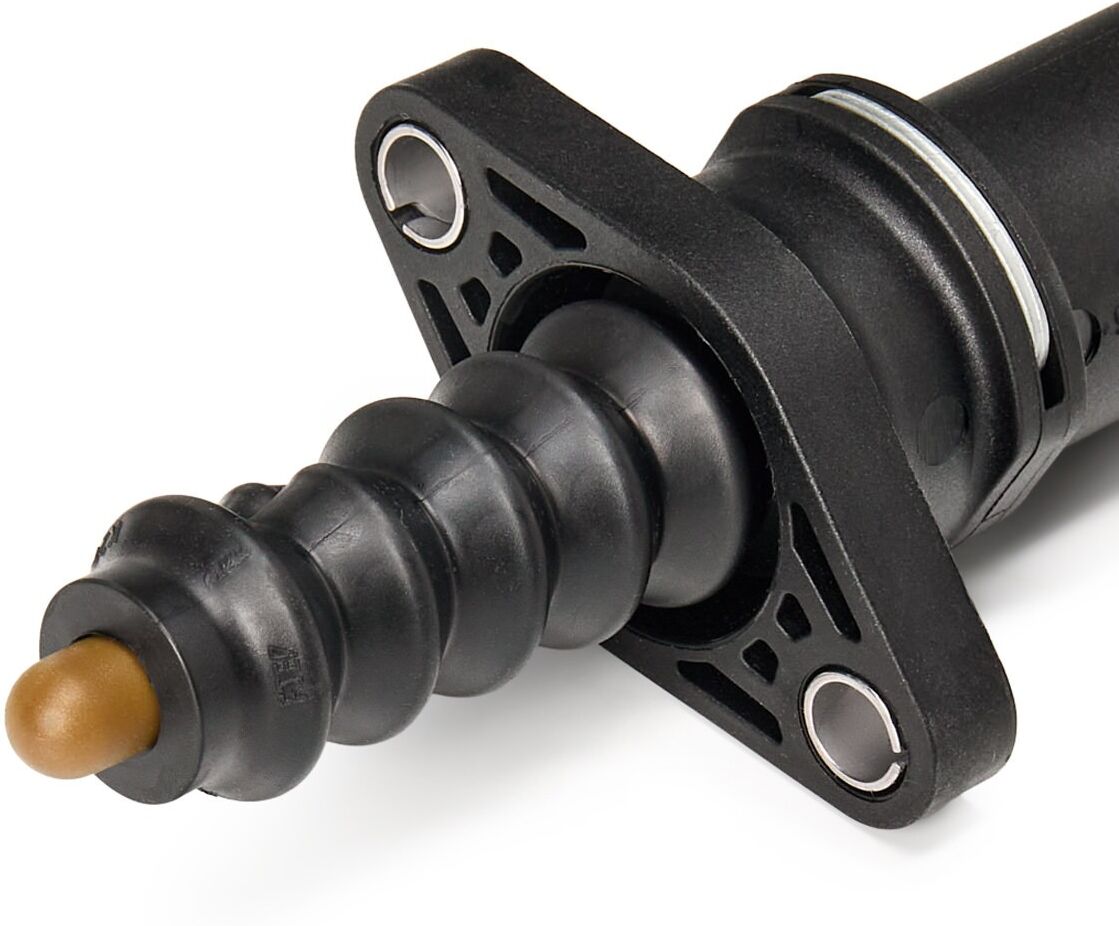
TRW PJF191 Clutch slave cylinderDiameter: 20,6; Material: Plastic; Left-/right-hand drive vehicles: for left-hand drive vehicles, for right-hand drive vehicles; TecDoc Engine Number: 25564; for OE number: 21526783623; Construction Year from: 12/201341,49 £*Shipping: 8,45 £Secure redirect to the provider
-
Is one treated like a slave in warehouse logistics training?
No, one is not treated like a slave in warehouse logistics training. Training programs are designed to educate individuals on the proper procedures and techniques for working in a warehouse setting. Participants are typically treated with respect and provided with the necessary knowledge and skills to perform their job effectively. It is important for trainers to create a positive and supportive learning environment to ensure the success of their trainees. **
-
Did slave drivers used to receive training, do you think?
Yes, slave drivers likely received some form of training in order to effectively manage and control the enslaved individuals under their supervision. This training may have included instruction on how to use physical force and intimidation to maintain control, as well as strategies for maximizing productivity and minimizing resistance. Additionally, slave drivers may have learned from more experienced overseers or received guidance from the plantation owner on how to effectively manage the enslaved workforce. Overall, it is likely that some form of training was provided to slave drivers in order to ensure the smooth operation of the plantation. **
-
What is a slave market?
A slave market is a place where individuals are bought and sold as slaves. Historically, slave markets were common during the transatlantic slave trade, where Africans were captured and sold to European slave traders. In a slave market, individuals were treated as commodities and were often subjected to inhumane conditions and treatment. Today, slavery is illegal in most countries, but human trafficking and modern forms of slavery still exist in various parts of the world. **
-
Were there black slave owners?
Yes, there were black slave owners in the United States. Some free black people owned slaves before the Civil War, either for economic reasons or to protect family members from being enslaved. However, it is important to note that the number of black slave owners was relatively small compared to white slave owners, and their ownership of slaves did not change the overall system of slavery or the power dynamics at play. **
* All prices are inclusive of VAT and, if applicable, plus shipping costs. The offer information is based on the details provided by the respective shop and is updated through automated processes. Real-time updates do not occur, so deviations can occur in individual cases. ** Note: Parts of this content were created by AI.