Buy sportcoach.eu ?
We are moving the project
sportcoach.eu .
Are you interested in purchasing the domain
sportcoach.eu ?
domain@kv-gmbh.de · 0541-91531010
Buy sportcoach.eu ?
What is the diesel boost pressure?
The diesel boost pressure refers to the amount of pressure generated by the turbocharger or supercharger in a diesel engine. This pressure is used to force more air into the engine, allowing for better combustion and increased power output. The boost pressure is typically measured in pounds per square inch (psi) and can vary depending on the specific engine and its tuning. Higher boost pressure can result in more power and torque, but it also puts more stress on the engine components. **
'Which topic for the PL performance?'
The topic for the PL performance could be focused on the importance of mental health and self-care in the workplace. This topic is relevant and important for employees to understand and prioritize, especially in today's fast-paced and stressful work environments. The performance could include skits, presentations, and interactive activities to engage the audience and raise awareness about the significance of mental well-being at work. It could also provide practical tips and resources for employees to take care of their mental health. **

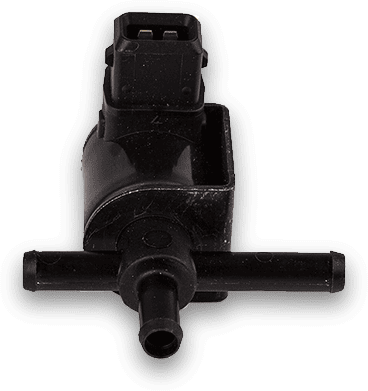
Similar search terms for NTY-ECD-PL-011-Boost-Pressure
Top-Angebote
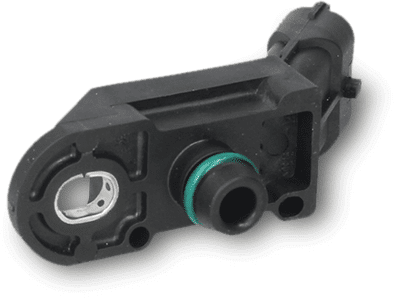
Products related to NTY-ECD-PL-011-Boost-Pressure:
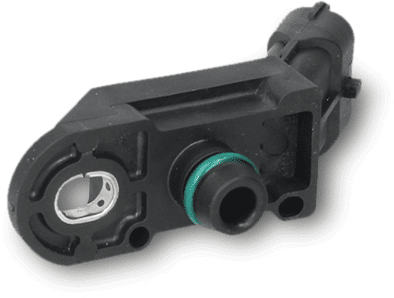
-
What is the boost pressure in production cars?
The boost pressure in production cars typically ranges from 6 to 15 psi (pounds per square inch). This level of boost pressure is considered safe for most stock engines and allows for increased power and performance without compromising the engine's reliability. Some high-performance production cars may have higher boost pressures, but they are usually designed with reinforced components to handle the increased stress. **
-
What is the boost pressure in stock cars?
The boost pressure in stock cars typically ranges from 6 to 10 psi (pounds per square inch). This level of boost pressure is carefully calibrated by the car manufacturer to optimize performance while ensuring the engine's reliability and longevity. Higher boost pressures can be achieved through modifications, but this can put additional stress on the engine components and may require other upgrades to support the increased pressure. **
-
Why is the boost pressure sensor not working?
The boost pressure sensor may not be working due to a variety of reasons. It could be a result of a faulty sensor itself, a damaged or disconnected wiring harness, or a problem with the engine control module (ECM) that is not receiving the correct signal from the sensor. Additionally, the sensor may be clogged or contaminated with debris, affecting its ability to accurately measure the boost pressure. It is important to diagnose and address the specific issue causing the sensor to not work in order to ensure proper engine performance and efficiency. **
-
How much boost pressure can my car handle?
The maximum boost pressure that your car can handle depends on several factors, including the engine's design, internal components, and the strength of the stock turbocharger or supercharger. It's important to consult with a professional mechanic or tuner who is familiar with your specific make and model to determine the safe and optimal boost pressure for your car. Exceeding the recommended boost pressure can lead to engine damage, so it's crucial to proceed with caution and follow expert advice. **
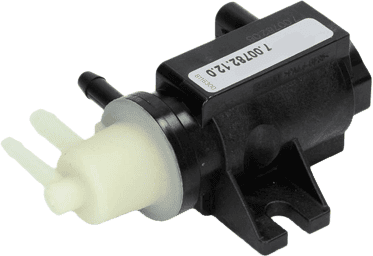
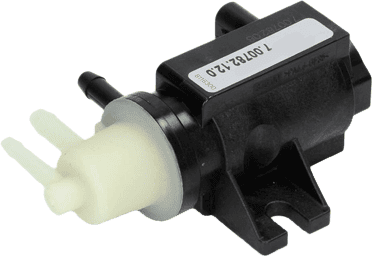
What is the boost pressure of the turbocharger?
The boost pressure of a turbocharger can vary depending on the specific model and application. However, in general, turbochargers can produce boost pressures ranging from 6 psi to 25 psi or even higher in some high-performance applications. The boost pressure is typically controlled by a wastegate or a boost controller to ensure that the engine operates within safe limits and to optimize performance. It's important to consult the manufacturer's specifications or a professional tuner to determine the appropriate boost pressure for a specific turbocharger setup. **
What is the topic for the PL performance?
The topic for the PL performance is "The Impact of Social Media on Mental Health." The performance will explore how social media affects individuals' mental well-being, including issues such as comparison, self-esteem, and cyberbullying. It aims to raise awareness about the potential negative consequences of excessive social media use and promote strategies for maintaining a healthy relationship with social platforms. **
Top-Angebote
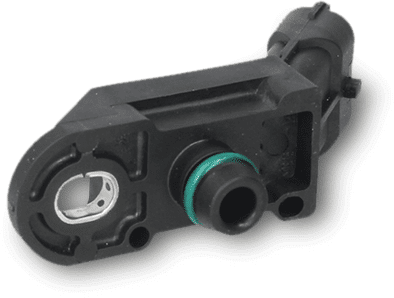
Products related to NTY-ECD-PL-011-Boost-Pressure:
-
What is the diesel boost pressure?
The diesel boost pressure refers to the amount of pressure generated by the turbocharger or supercharger in a diesel engine. This pressure is used to force more air into the engine, allowing for better combustion and increased power output. The boost pressure is typically measured in pounds per square inch (psi) and can vary depending on the specific engine and its tuning. Higher boost pressure can result in more power and torque, but it also puts more stress on the engine components. **
-
'Which topic for the PL performance?'
The topic for the PL performance could be focused on the importance of mental health and self-care in the workplace. This topic is relevant and important for employees to understand and prioritize, especially in today's fast-paced and stressful work environments. The performance could include skits, presentations, and interactive activities to engage the audience and raise awareness about the significance of mental well-being at work. It could also provide practical tips and resources for employees to take care of their mental health. **
-
What is the boost pressure in production cars?
The boost pressure in production cars typically ranges from 6 to 15 psi (pounds per square inch). This level of boost pressure is considered safe for most stock engines and allows for increased power and performance without compromising the engine's reliability. Some high-performance production cars may have higher boost pressures, but they are usually designed with reinforced components to handle the increased stress. **
-
What is the boost pressure in stock cars?
The boost pressure in stock cars typically ranges from 6 to 10 psi (pounds per square inch). This level of boost pressure is carefully calibrated by the car manufacturer to optimize performance while ensuring the engine's reliability and longevity. Higher boost pressures can be achieved through modifications, but this can put additional stress on the engine components and may require other upgrades to support the increased pressure. **
Similar search terms for NTY-ECD-PL-011-Boost-Pressure
-
Why is the boost pressure sensor not working?
The boost pressure sensor may not be working due to a variety of reasons. It could be a result of a faulty sensor itself, a damaged or disconnected wiring harness, or a problem with the engine control module (ECM) that is not receiving the correct signal from the sensor. Additionally, the sensor may be clogged or contaminated with debris, affecting its ability to accurately measure the boost pressure. It is important to diagnose and address the specific issue causing the sensor to not work in order to ensure proper engine performance and efficiency. **
-
How much boost pressure can my car handle?
The maximum boost pressure that your car can handle depends on several factors, including the engine's design, internal components, and the strength of the stock turbocharger or supercharger. It's important to consult with a professional mechanic or tuner who is familiar with your specific make and model to determine the safe and optimal boost pressure for your car. Exceeding the recommended boost pressure can lead to engine damage, so it's crucial to proceed with caution and follow expert advice. **
-
What is the boost pressure of the turbocharger?
The boost pressure of a turbocharger can vary depending on the specific model and application. However, in general, turbochargers can produce boost pressures ranging from 6 psi to 25 psi or even higher in some high-performance applications. The boost pressure is typically controlled by a wastegate or a boost controller to ensure that the engine operates within safe limits and to optimize performance. It's important to consult the manufacturer's specifications or a professional tuner to determine the appropriate boost pressure for a specific turbocharger setup. **
-
What is the topic for the PL performance?
The topic for the PL performance is "The Impact of Social Media on Mental Health." The performance will explore how social media affects individuals' mental well-being, including issues such as comparison, self-esteem, and cyberbullying. It aims to raise awareness about the potential negative consequences of excessive social media use and promote strategies for maintaining a healthy relationship with social platforms. **
* All prices are inclusive of VAT and, if applicable, plus shipping costs. The offer information is based on the details provided by the respective shop and is updated through automated processes. Real-time updates do not occur, so deviations can occur in individual cases. ** Note: Parts of this content were created by AI.