Buy sportcoach.eu ?
We are moving the project
sportcoach.eu .
Are you interested in purchasing the domain
sportcoach.eu ?
domain@kv-gmbh.de · 0541-91531010
Buy sportcoach.eu ?
How does an automatic urine collector work?
An automatic urine collector works by using sensors to detect when a person begins to urinate. Once urine is detected, the device collects the urine through a tube or catheter and stores it in a collection bag. The collected urine can then be analyzed for various purposes such as medical testing or monitoring hydration levels. The device is often used in healthcare settings to accurately measure urine output and provide valuable information about a person's health. **
What is the training for a pediatric nurse or pediatric nurse practitioner?
Pediatric nurses typically complete a Bachelor of Science in Nursing (BSN) degree and then obtain a Registered Nurse (RN) license. They may also pursue a Master of Science in Nursing (MSN) with a focus on pediatrics to become a pediatric nurse practitioner. This advanced training includes coursework in pediatric health assessment, pharmacology, and management of pediatric illnesses. Additionally, pediatric nurse practitioners complete clinical rotations in pediatric settings to gain hands-on experience in providing care to children and adolescents. **

Similar search terms for Corysan-Pediatric-Urine-Collector
Top-Angebote
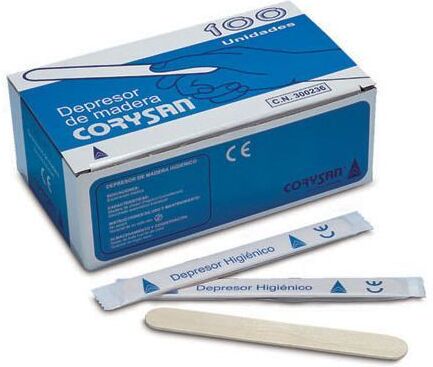
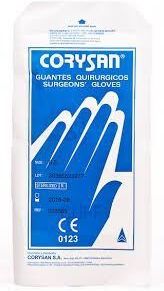
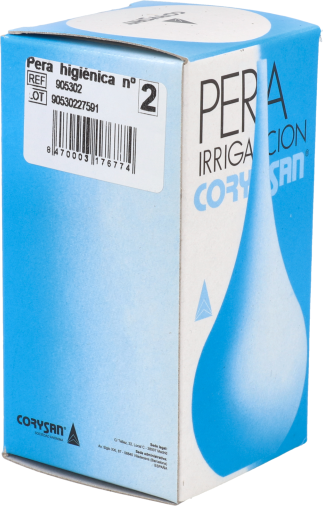
Products related to Corysan-Pediatric-Urine-Collector:

-
What is the training for a pediatric nurse?
Pediatric nurses typically complete a Bachelor of Science in Nursing (BSN) degree and become a Registered Nurse (RN). They may also pursue additional training or certification in pediatric nursing through programs offered by hospitals, universities, or professional organizations. This specialized training focuses on caring for infants, children, and adolescents, including topics such as growth and development, pediatric illnesses, and family-centered care. Pediatric nurses may also gain hands-on experience through clinical rotations in pediatric settings to further enhance their skills and knowledge. **
-
What is pediatric oncology?
Pediatric oncology is a medical specialty focused on the diagnosis and treatment of cancer in children. This field involves the care of children with various types of cancer, including leukemia, brain tumors, and solid tumors. Pediatric oncologists work closely with a multidisciplinary team to provide comprehensive care, including chemotherapy, radiation therapy, and surgery, as well as supportive care to manage the side effects of treatment. The goal of pediatric oncology is to provide the best possible outcomes for children with cancer while minimizing the long-term effects of treatment. **
-
What is the difference between a pediatric nurse and a pediatric nurse?
A pediatric nurse is a registered nurse who specializes in providing healthcare to children from infancy through adolescence. They are trained to assess, diagnose, and treat common childhood illnesses and injuries. On the other hand, a pediatrician is a medical doctor who specializes in the care of children, including diagnosing and treating illnesses, providing preventive care, and managing the overall health of children. While both professions focus on the health and well-being of children, pediatric nurses work under the supervision of pediatricians and provide direct patient care, while pediatricians have the authority to diagnose and prescribe treatment independently. **
-
What is the training for a pediatric nursing specialist?
A pediatric nursing specialist typically completes a bachelor's degree in nursing and becomes a registered nurse (RN). After gaining experience in pediatric nursing, they may choose to pursue a master's degree in pediatric nursing or a related field. This advanced education and training allows them to specialize in providing care to infants, children, and adolescents. Additionally, pediatric nursing specialists may pursue certification through organizations such as the Pediatric Nursing Certification Board to demonstrate their expertise in this area. **

What is the difference between a pediatric nurse and a pediatric nurse practitioner?
A pediatric nurse is a registered nurse who specializes in providing care to children and adolescents. They work under the supervision of doctors and nurse practitioners, assisting with patient care, administering medications, and educating families. On the other hand, a pediatric nurse practitioner is an advanced practice registered nurse who has completed additional education and training to diagnose, treat, and manage acute and chronic illnesses in children. They have the authority to prescribe medications, order diagnostic tests, and provide a higher level of care independently. **
Which current collector?
The choice of current collector depends on the specific application and requirements. For example, in lithium-ion batteries, commonly used current collectors include copper foils and aluminum foils. Copper foils are preferred for their high electrical conductivity, while aluminum foils are lighter and more cost-effective. In fuel cells, carbon-based materials such as carbon cloth or carbon paper are often used as current collectors due to their corrosion resistance and high surface area. Ultimately, the selection of a current collector is based on factors such as conductivity, weight, cost, and compatibility with the electrode materials. **
Top-Angebote
Products related to Corysan-Pediatric-Urine-Collector:
-
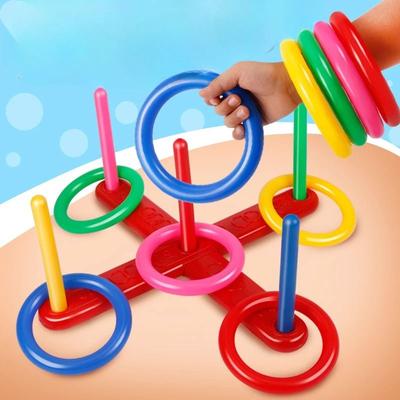
Uplifted Finds Interactive Ring Toss Training System Professional Early Education & Pediatric Fitness Infrastructure Interactive Ring Toss Training System Professional Early Education & Pediatric Fitness InfrastructureCommand ultimate developmental confidence with the Interactive Ring Toss Training System, a highperformance educational solution specifically engineered to act as a comprehensive tool for elite organization and superior technical ergonomics. Built...52,97 $*Shipping: 0,00 $Secure redirect to the provider
-
How does an automatic urine collector work?
An automatic urine collector works by using sensors to detect when a person begins to urinate. Once urine is detected, the device collects the urine through a tube or catheter and stores it in a collection bag. The collected urine can then be analyzed for various purposes such as medical testing or monitoring hydration levels. The device is often used in healthcare settings to accurately measure urine output and provide valuable information about a person's health. **
-
What is the training for a pediatric nurse or pediatric nurse practitioner?
Pediatric nurses typically complete a Bachelor of Science in Nursing (BSN) degree and then obtain a Registered Nurse (RN) license. They may also pursue a Master of Science in Nursing (MSN) with a focus on pediatrics to become a pediatric nurse practitioner. This advanced training includes coursework in pediatric health assessment, pharmacology, and management of pediatric illnesses. Additionally, pediatric nurse practitioners complete clinical rotations in pediatric settings to gain hands-on experience in providing care to children and adolescents. **
-
What is the training for a pediatric nurse?
Pediatric nurses typically complete a Bachelor of Science in Nursing (BSN) degree and become a Registered Nurse (RN). They may also pursue additional training or certification in pediatric nursing through programs offered by hospitals, universities, or professional organizations. This specialized training focuses on caring for infants, children, and adolescents, including topics such as growth and development, pediatric illnesses, and family-centered care. Pediatric nurses may also gain hands-on experience through clinical rotations in pediatric settings to further enhance their skills and knowledge. **
-
What is pediatric oncology?
Pediatric oncology is a medical specialty focused on the diagnosis and treatment of cancer in children. This field involves the care of children with various types of cancer, including leukemia, brain tumors, and solid tumors. Pediatric oncologists work closely with a multidisciplinary team to provide comprehensive care, including chemotherapy, radiation therapy, and surgery, as well as supportive care to manage the side effects of treatment. The goal of pediatric oncology is to provide the best possible outcomes for children with cancer while minimizing the long-term effects of treatment. **
Similar search terms for Corysan-Pediatric-Urine-Collector
-
Anaclin urine containerHealth and Beauty First aid kit Anaclin urine container Containers for the collection of urinen samples Containers manufactured in high natural density Polyethylene, with cover of the same material in red color. Dimension: 47 mm of Ø and 103 mm of height. Capacity: 135 mL. Marked with a special painting that facilitates the write on it with pen or marker. In the text the necessary data are included in order to indicate the analysis and the patient. Sterilized and with a seal with strips of dark color which guarantee their pass for the sterilizing apparatus. Packed in a combined paper-plastic in which it's indicated the form of carrying out the taking of patterns and the cautions to have in order to get a reliable diagnosis.1,38 £*Shipping: 3,99 £Secure redirect to the provider
-
What is the difference between a pediatric nurse and a pediatric nurse?
A pediatric nurse is a registered nurse who specializes in providing healthcare to children from infancy through adolescence. They are trained to assess, diagnose, and treat common childhood illnesses and injuries. On the other hand, a pediatrician is a medical doctor who specializes in the care of children, including diagnosing and treating illnesses, providing preventive care, and managing the overall health of children. While both professions focus on the health and well-being of children, pediatric nurses work under the supervision of pediatricians and provide direct patient care, while pediatricians have the authority to diagnose and prescribe treatment independently. **
-
What is the training for a pediatric nursing specialist?
A pediatric nursing specialist typically completes a bachelor's degree in nursing and becomes a registered nurse (RN). After gaining experience in pediatric nursing, they may choose to pursue a master's degree in pediatric nursing or a related field. This advanced education and training allows them to specialize in providing care to infants, children, and adolescents. Additionally, pediatric nursing specialists may pursue certification through organizations such as the Pediatric Nursing Certification Board to demonstrate their expertise in this area. **
-
What is the difference between a pediatric nurse and a pediatric nurse practitioner?
A pediatric nurse is a registered nurse who specializes in providing care to children and adolescents. They work under the supervision of doctors and nurse practitioners, assisting with patient care, administering medications, and educating families. On the other hand, a pediatric nurse practitioner is an advanced practice registered nurse who has completed additional education and training to diagnose, treat, and manage acute and chronic illnesses in children. They have the authority to prescribe medications, order diagnostic tests, and provide a higher level of care independently. **
-
Which current collector?
The choice of current collector depends on the specific application and requirements. For example, in lithium-ion batteries, commonly used current collectors include copper foils and aluminum foils. Copper foils are preferred for their high electrical conductivity, while aluminum foils are lighter and more cost-effective. In fuel cells, carbon-based materials such as carbon cloth or carbon paper are often used as current collectors due to their corrosion resistance and high surface area. Ultimately, the selection of a current collector is based on factors such as conductivity, weight, cost, and compatibility with the electrode materials. **
* All prices are inclusive of VAT and, if applicable, plus shipping costs. The offer information is based on the details provided by the respective shop and is updated through automated processes. Real-time updates do not occur, so deviations can occur in individual cases. ** Note: Parts of this content were created by AI.