Buy sportcoach.eu ?
We are moving the project
sportcoach.eu .
Are you interested in purchasing the domain
sportcoach.eu ?
domain@kv-gmbh.de · 0541-91531010
Buy sportcoach.eu ?
What is the difference between fitness and strength training?
Fitness is a broader term that encompasses overall physical health and well-being, including cardiovascular endurance, flexibility, and muscular strength. It involves activities such as running, swimming, and yoga. Strength training, on the other hand, specifically focuses on increasing muscle strength and mass through resistance exercises like weightlifting and bodyweight exercises. While fitness encompasses a variety of physical abilities, strength training is a specific type of exercise aimed at building and toning muscles. **
What is the difference between the major axis and minor axis of the Earth's orbit?
The major axis of the Earth's orbit is the longest diameter of the elliptical path followed by the Earth around the Sun, while the minor axis is the shortest diameter perpendicular to the major axis. The major axis determines the distance between the Earth and the Sun at its closest and farthest points (perihelion and aphelion), affecting the planet's temperature and seasons. The minor axis, on the other hand, does not have a significant impact on Earth's climate or orbit dynamics. **

Similar search terms for Axis-Spot-The-Difference
Top-Angebote
Products related to Axis-Spot-The-Difference:
-
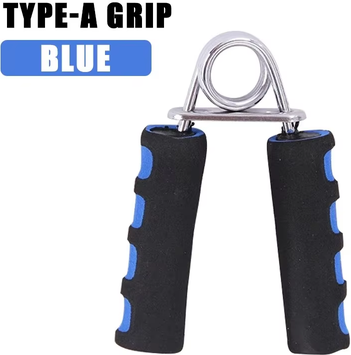
Smart Shopping Spot Adjustable Wrist Strength Trainer Grip Set For Finger Strength Training & Forearm Exercise blueBuild stronger hands and boost your confidence with every workout. This Wrist strength trainer is designed for athletes, climbers, musicians, gamers, and anyone looking to improve grip, wrist stability, and forearm endurance. Featuring a comfortable...31,97 $*Shipping: 0,00 $Secure redirect to the provider
-
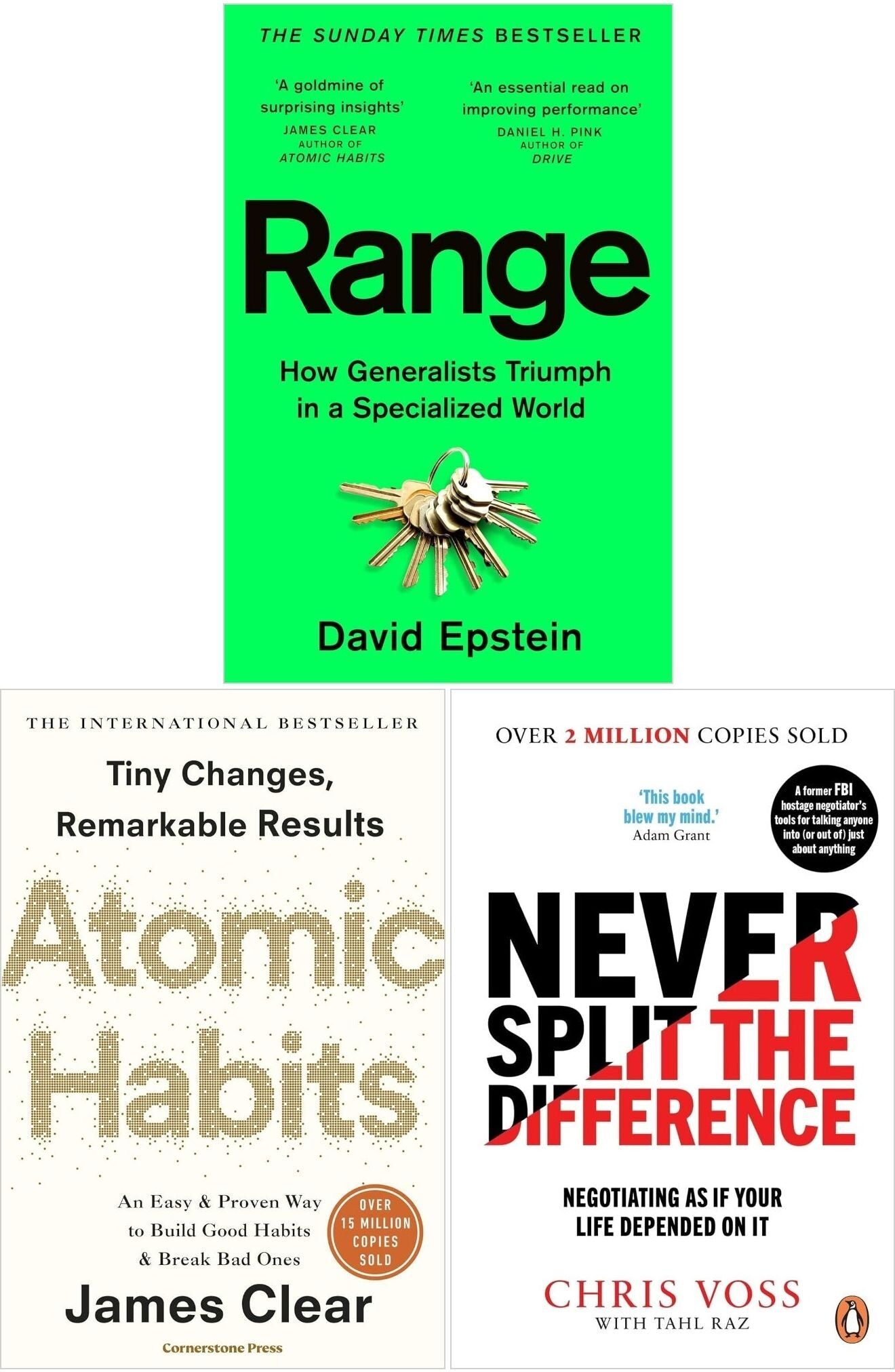
Penguin Range, Never Split the Difference and Atomic Habits 3 Books SetRange In this landmark book, David Epstein shows you that the way to succeed is by sampling widely, gaining a breadth of experiences, taking detours, experimenting relentlessly, juggling many interests – in other words, by developing range. Studying the world's most successful athletes, artists, musicians, inventors and scientists, Epstein demonstrates why in most fields – especially those that are complex and unpredictable – generalists, not specialists are primed to excel. No matter what you do, where you are in life, whether you are a teacher, student, scientist, business analyst, parent, job hunter, retiree, you will see the world differently after you've read Range. You'll understand better how we solve problems, how we learn and how we succeed. You'll see why failing a test is the best way to learn and why frequent quitters end up with the most fulfilling careers. Never Split the Difference After a stint policing the rough streets of Kansas City, Missouri, Chris Voss joined the FBI, where his career as a kidnapping negotiator brought him face-to-face with bank robbers, gang leaders and terrorists. Never Split the Difference takes you inside his world of high-stakes negotiations, revealing the nine key principles that helped Voss and his colleagues succeed when it mattered the most - when people's lives were at stake. Rooted in the real-life experiences of an intelligence professional at the top of his game, Never Split the Difference will give you the competitive edge in any discussion. Atomic Habits Transform your life with tiny changes in behaviour, starting now. People think that when you want to change your life, you need to think big. But world-renowned habits expert James Clear has discovered another way. He knows that real change comes from the compound effect of hundreds of small decisions: doing two push-ups a day, waking up five minutes early, or holding a single short phone call. He calls them atomic habits. In this ground-breaking book, Clears reveals exactly how these minuscule changes can grow into such life-altering outcomes.14,99 £*Shipping: 2,99 £Secure redirect to the provider
-
Smart Shopping Spot Grip Strength Trainer Hand Grip Strengthener For Fitness, Forearm Exercise & Rehabilitation blueBuild stronger hands with a grip strength trainer designed to improve power, endurance, and confidence in every workout. Whether you're an athlete, musician, climber, or recovering from injury, this hand grip strengthener helps enhance grip...31,97 $*Shipping: 0,00 $Secure redirect to the provider
-
Inspired Finds Reusable Find The Difference Game Wipe Clean Activity Cards For Kids Focus And Attention Training primaryThese reusable wipeclean cards turn quiet time into a confidencebuilding challenge that kids actually enjoy. Designed as an attention training game, each page invites children to spot mistakes, differences, or hidden details while practicing...34,99 $*Shipping: 0,00 $Secure redirect to the provider


-
What is the difference between an axis of symmetry and symmetry about an axis?
An axis of symmetry is a line that divides a shape into two mirror-image halves. This means that if you fold the shape along the axis, the two halves will perfectly overlap. On the other hand, symmetry about an axis refers to the property of a shape where it can be rotated around an axis and still look the same. In other words, if you rotate the shape 180 degrees around the axis, it will still appear unchanged. While an axis of symmetry is a specific line that divides a shape into two equal halves, symmetry about an axis refers to the overall property of a shape being unchanged when rotated around an axis. **
-
Which axis, the y-axis or the z-axis?
The y-axis is the vertical axis on a standard Cartesian coordinate system, while the z-axis is the vertical axis in a three-dimensional Cartesian coordinate system. The y-axis is typically used to represent the vertical position or value in a two-dimensional graph, while the z-axis is used to represent the vertical position or value in a three-dimensional graph. Therefore, the choice between the y-axis and the z-axis depends on whether you are working in a two-dimensional or three-dimensional space. **
-
What is the difference between axis symmetry, axis of symmetry, rotational symmetry, and point symmetry?
Axis symmetry refers to the property of a shape being symmetrical with respect to an axis, meaning that if the shape is folded along the axis, the two halves will coincide. The axis of symmetry is the line along which the shape is symmetrical. Rotational symmetry refers to the property of a shape being able to be rotated by a certain angle and still look the same. Point symmetry refers to the property of a shape being symmetrical with respect to a central point, meaning that if the shape is rotated 180 degrees around the point, it will look the same. **
-
What is the difference between calculating the area under a curve along the x-axis and the y-axis?
Calculating the area under a curve along the x-axis involves finding the area between the curve and the x-axis, while calculating the area under a curve along the y-axis involves finding the area between the curve and the y-axis. When calculating the area under a curve along the x-axis, the integral is taken with respect to x, and when calculating the area under a curve along the y-axis, the integral is taken with respect to y. The method of calculation and the interpretation of the result differ depending on whether the area is being calculated along the x-axis or the y-axis. **
What is the difference between axis symmetry and point symmetry?
Axis symmetry refers to a shape or object being symmetrical with respect to an axis, meaning that if you were to fold the shape along the axis, the two halves would perfectly overlap. Point symmetry, on the other hand, refers to a shape or object being symmetrical with respect to a single point, meaning that if you were to rotate the shape 180 degrees around that point, it would look the same. In essence, axis symmetry involves reflection across a line, while point symmetry involves rotation around a point. **
Does nutrition and exercise make a big difference?
Yes, nutrition and exercise play a significant role in overall health and well-being. A balanced diet provides essential nutrients that support bodily functions and help prevent chronic diseases. Regular physical activity helps maintain a healthy weight, improves cardiovascular health, boosts mood, and enhances overall quality of life. Together, nutrition and exercise can have a profound impact on one's physical and mental health. **
Top-Angebote
Products related to Axis-Spot-The-Difference:
-
Axis Spot The Difference Facial Blemish Treatment 15mLA skin-care product for oily or blemish-prone skin. Spot The Difference Blemish Treatment is expertly formulated for acne-prone, oily, and sensitive skin, providing effective relief from breakouts and blemishes. This light gel texture glides onto the skin, delivering hydration while restoring the skin barrier.15,32 £*Shipping: 4,22 £Secure redirect to the provider
-
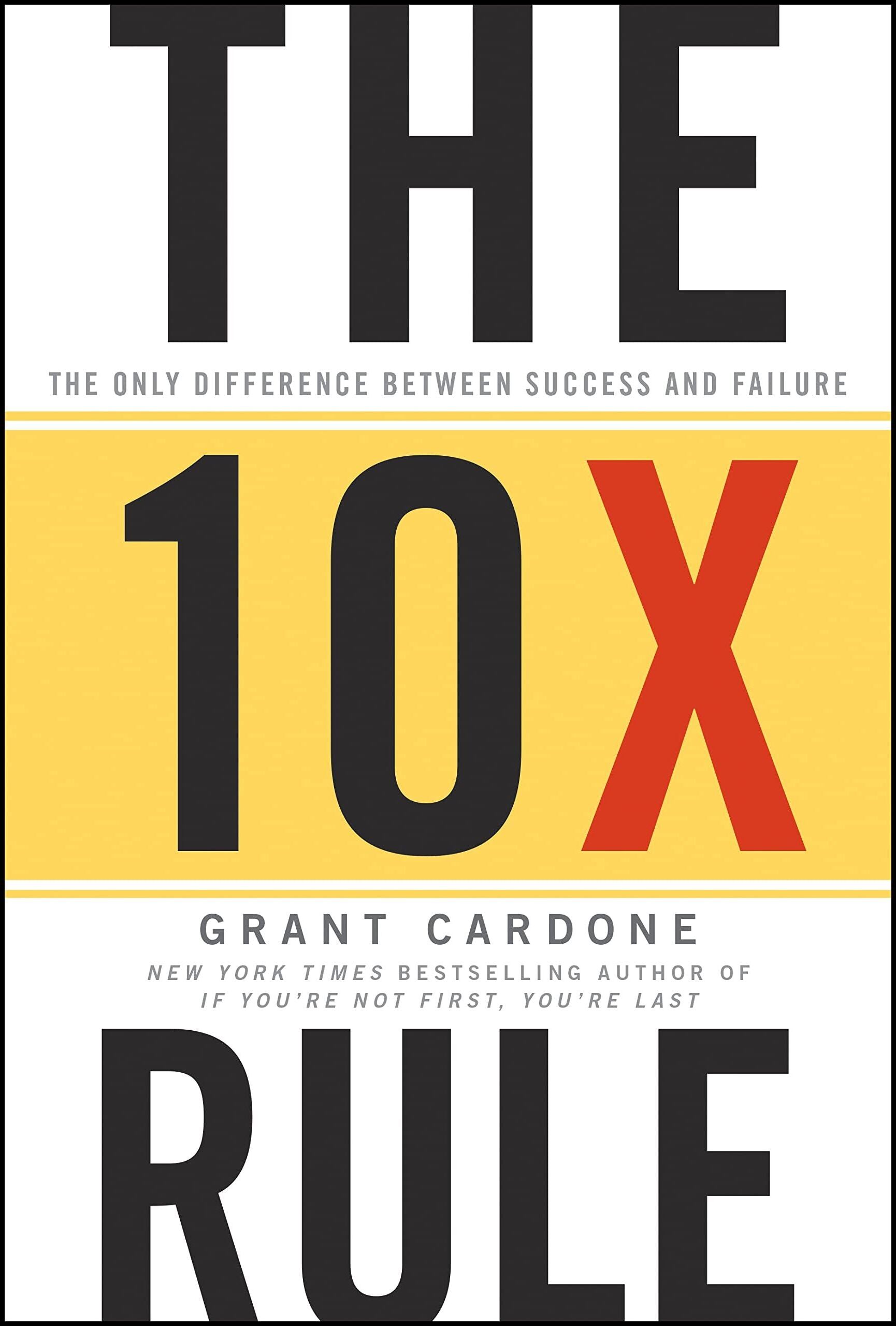
Wiley The 10X Rule: The Only Difference Between Success and Failure by Grant Cardone Motivation, Business & Self-Improvement BestsellerAchieve "Massive Action" results and accomplish your business dreams! While most people operate with only three degrees of action-no action, retreat, or normal action-if you're after big goals, you don't want to settle for the ordinary. To reach the next level, you must understand the coveted 4th degree of action. This 4th degree, also know as the 10 X Rule, is that level of action that guarantees companies and individuals realize their goals and dreams. The 10 X Rule unveils the principle of "Massive Action," allowing you to blast through business clichés and risk-aversion while taking concrete steps to reach your dreams. It also demonstrates why people get stuck in the first three actions and how to move into making the 10X Rule a discipline. Find out exactly where to start, what to do, and how to follow up each action you take with more action to achieve Massive Action results. Learn the "Estimation of Effort" calculation to ensure you exceed your targets Make the Fourth Degree a way of life and defy mediocrity Discover the time management myth Get the exact reasons why people fail and others succeed Know the exact formula to solve problems Extreme success is by definition outside the realm of normal action. Instead of behaving like everybody else and settling for average results, take Massive Action with The 10 X Rule, remove luck and chance from your business equation, and lock in massive success.15,99 £*Shipping: 2,99 £Secure redirect to the provider
-
Smart Shopping Spot Adjustable Wrist Strength Trainer Grip Set For Finger Strength Training & Forearm Exercise blueBuild stronger hands and boost your confidence with every workout. This Wrist strength trainer is designed for athletes, climbers, musicians, gamers, and anyone looking to improve grip, wrist stability, and forearm endurance. Featuring a comfortable...31,97 $*Shipping: 0,00 $Secure redirect to the provider
-
Penguin Range, Never Split the Difference and Atomic Habits 3 Books SetRange In this landmark book, David Epstein shows you that the way to succeed is by sampling widely, gaining a breadth of experiences, taking detours, experimenting relentlessly, juggling many interests – in other words, by developing range. Studying the world's most successful athletes, artists, musicians, inventors and scientists, Epstein demonstrates why in most fields – especially those that are complex and unpredictable – generalists, not specialists are primed to excel. No matter what you do, where you are in life, whether you are a teacher, student, scientist, business analyst, parent, job hunter, retiree, you will see the world differently after you've read Range. You'll understand better how we solve problems, how we learn and how we succeed. You'll see why failing a test is the best way to learn and why frequent quitters end up with the most fulfilling careers. Never Split the Difference After a stint policing the rough streets of Kansas City, Missouri, Chris Voss joined the FBI, where his career as a kidnapping negotiator brought him face-to-face with bank robbers, gang leaders and terrorists. Never Split the Difference takes you inside his world of high-stakes negotiations, revealing the nine key principles that helped Voss and his colleagues succeed when it mattered the most - when people's lives were at stake. Rooted in the real-life experiences of an intelligence professional at the top of his game, Never Split the Difference will give you the competitive edge in any discussion. Atomic Habits Transform your life with tiny changes in behaviour, starting now. People think that when you want to change your life, you need to think big. But world-renowned habits expert James Clear has discovered another way. He knows that real change comes from the compound effect of hundreds of small decisions: doing two push-ups a day, waking up five minutes early, or holding a single short phone call. He calls them atomic habits. In this ground-breaking book, Clears reveals exactly how these minuscule changes can grow into such life-altering outcomes.14,99 £*Shipping: 2,99 £Secure redirect to the provider
-
What is the difference between fitness and strength training?
Fitness is a broader term that encompasses overall physical health and well-being, including cardiovascular endurance, flexibility, and muscular strength. It involves activities such as running, swimming, and yoga. Strength training, on the other hand, specifically focuses on increasing muscle strength and mass through resistance exercises like weightlifting and bodyweight exercises. While fitness encompasses a variety of physical abilities, strength training is a specific type of exercise aimed at building and toning muscles. **
-
What is the difference between the major axis and minor axis of the Earth's orbit?
The major axis of the Earth's orbit is the longest diameter of the elliptical path followed by the Earth around the Sun, while the minor axis is the shortest diameter perpendicular to the major axis. The major axis determines the distance between the Earth and the Sun at its closest and farthest points (perihelion and aphelion), affecting the planet's temperature and seasons. The minor axis, on the other hand, does not have a significant impact on Earth's climate or orbit dynamics. **
-
What is the difference between an axis of symmetry and symmetry about an axis?
An axis of symmetry is a line that divides a shape into two mirror-image halves. This means that if you fold the shape along the axis, the two halves will perfectly overlap. On the other hand, symmetry about an axis refers to the property of a shape where it can be rotated around an axis and still look the same. In other words, if you rotate the shape 180 degrees around the axis, it will still appear unchanged. While an axis of symmetry is a specific line that divides a shape into two equal halves, symmetry about an axis refers to the overall property of a shape being unchanged when rotated around an axis. **
-
Which axis, the y-axis or the z-axis?
The y-axis is the vertical axis on a standard Cartesian coordinate system, while the z-axis is the vertical axis in a three-dimensional Cartesian coordinate system. The y-axis is typically used to represent the vertical position or value in a two-dimensional graph, while the z-axis is used to represent the vertical position or value in a three-dimensional graph. Therefore, the choice between the y-axis and the z-axis depends on whether you are working in a two-dimensional or three-dimensional space. **
Similar search terms for Axis-Spot-The-Difference
-
Smart Shopping Spot Grip Strength Trainer Hand Grip Strengthener For Fitness, Forearm Exercise & Rehabilitation blueBuild stronger hands with a grip strength trainer designed to improve power, endurance, and confidence in every workout. Whether you're an athlete, musician, climber, or recovering from injury, this hand grip strengthener helps enhance grip...31,97 $*Shipping: 0,00 $Secure redirect to the provider
-
Inspired Finds Reusable Find The Difference Game Wipe Clean Activity Cards For Kids Focus And Attention Training primaryThese reusable wipeclean cards turn quiet time into a confidencebuilding challenge that kids actually enjoy. Designed as an attention training game, each page invites children to spot mistakes, differences, or hidden details while practicing...34,99 $*Shipping: 0,00 $Secure redirect to the provider
-
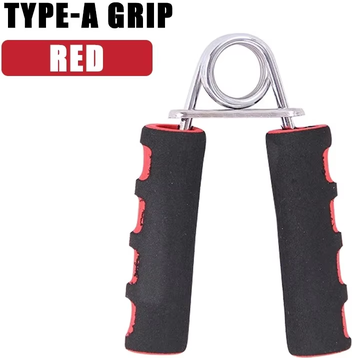
Smart Shopping Spot Adjustable Wrist Strength Trainer Grip Set For Finger Strength Training & Forearm Exercise redBuild stronger hands and boost your confidence with every workout. This Wrist strength trainer is designed for athletes, climbers, musicians, gamers, and anyone looking to improve grip, wrist stability, and forearm endurance. Featuring a comfortable...31,97 $*Shipping: 0,00 $Secure redirect to the provider
-
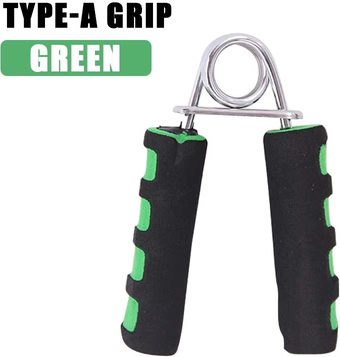
Smart Shopping Spot Adjustable Wrist Strength Trainer Grip Set For Finger Strength Training & Forearm Exercise greenBuild stronger hands and boost your confidence with every workout. This Wrist strength trainer is designed for athletes, climbers, musicians, gamers, and anyone looking to improve grip, wrist stability, and forearm endurance. Featuring a comfortable...31,97 $*Shipping: 0,00 $Secure redirect to the provider
-
What is the difference between axis symmetry, axis of symmetry, rotational symmetry, and point symmetry?
Axis symmetry refers to the property of a shape being symmetrical with respect to an axis, meaning that if the shape is folded along the axis, the two halves will coincide. The axis of symmetry is the line along which the shape is symmetrical. Rotational symmetry refers to the property of a shape being able to be rotated by a certain angle and still look the same. Point symmetry refers to the property of a shape being symmetrical with respect to a central point, meaning that if the shape is rotated 180 degrees around the point, it will look the same. **
-
What is the difference between calculating the area under a curve along the x-axis and the y-axis?
Calculating the area under a curve along the x-axis involves finding the area between the curve and the x-axis, while calculating the area under a curve along the y-axis involves finding the area between the curve and the y-axis. When calculating the area under a curve along the x-axis, the integral is taken with respect to x, and when calculating the area under a curve along the y-axis, the integral is taken with respect to y. The method of calculation and the interpretation of the result differ depending on whether the area is being calculated along the x-axis or the y-axis. **
-
What is the difference between axis symmetry and point symmetry?
Axis symmetry refers to a shape or object being symmetrical with respect to an axis, meaning that if you were to fold the shape along the axis, the two halves would perfectly overlap. Point symmetry, on the other hand, refers to a shape or object being symmetrical with respect to a single point, meaning that if you were to rotate the shape 180 degrees around that point, it would look the same. In essence, axis symmetry involves reflection across a line, while point symmetry involves rotation around a point. **
-
Does nutrition and exercise make a big difference?
Yes, nutrition and exercise play a significant role in overall health and well-being. A balanced diet provides essential nutrients that support bodily functions and help prevent chronic diseases. Regular physical activity helps maintain a healthy weight, improves cardiovascular health, boosts mood, and enhances overall quality of life. Together, nutrition and exercise can have a profound impact on one's physical and mental health. **
* All prices are inclusive of VAT and, if applicable, plus shipping costs. The offer information is based on the details provided by the respective shop and is updated through automated processes. Real-time updates do not occur, so deviations can occur in individual cases. ** Note: Parts of this content were created by AI.