Buy sportcoach.eu ?
We are moving the project
sportcoach.eu .
Are you interested in purchasing the domain
sportcoach.eu ?
domain@kv-gmbh.de · 0541-91531010
Buy sportcoach.eu ?
How can one loosen this self-locking nut?
To loosen a self-locking nut, you can use a wrench or a socket to apply force in the opposite direction of the locking mechanism. If the nut is extremely tight, you can use a penetrating oil to help loosen it. Additionally, using a heat source such as a torch to heat the nut can also help break the locking mechanism and make it easier to loosen. Be sure to use caution and follow proper safety procedures when using heat or penetrating oil. **
How do you calculate the self-locking of a worm gear?
The self-locking of a worm gear can be calculated by determining the lead angle of the worm and the coefficient of friction between the worm and the gear. The lead angle is the angle formed between the tangent to the worm thread and a plane perpendicular to the axis of the worm. If the lead angle is less than the friction angle (arctan coefficient of friction), then the worm gear is self-locking. This means that the gear cannot drive the worm, preventing back driving and providing mechanical advantage in applications such as lifting or holding loads. **


Similar search terms for Self-locking
Top-Angebote
Products related to Self-locking:
-
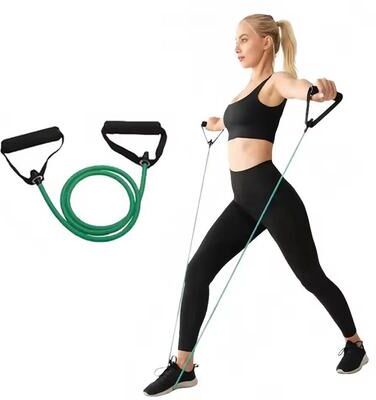
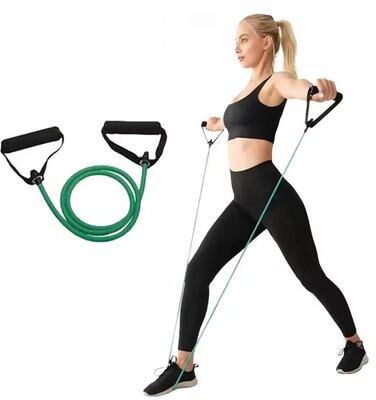
Inspire Daily Merch Exercise Workout Fitness Band, Resistance Bands With Handles, Pull Rope For Strength Training At Home For Men Women Exercise Workout Fitness Band, Resistance Bands With Handles, Pull Rope For Strength Training At Home For Men WomenUltimate Home Workout Solution Transform your home into a personal gym with our resistance bands with handles. Designed for men and women, these bands provide versatile strength training, muscle toning, and fullbody workouts without bulky equipment....29,97 $*Shipping: 0,00 $Secure redirect to the provider
-
Multisell Products Hub Exercise Workout Fitness Band With Handles, Pull Rope For Strength Training, Resistance Bands For Men And Women At Home Exercise Workout Fitness Band With Handles, Pull Rope For Strength Training, Resistance Bands For Men And WomenGet Fit at Home with Resistance Bands Achieve your fitness goals without leaving the house! These Resistance Bands With Handles are perfect for both beginners and seasoned athletes. Designed for strength training, these bands offer a convenient,...29,97 $*Shipping: 0,00 $Secure redirect to the provider
-
Inspire Essentials Adjustable Weighted Workout Vest For Running Strength Training Fitness Adjustable Weighted Workout Vest For Running Strength Training FitnessFeel stronger with every workout using this comfortable weighted workout vest. Designed for runners, fitness enthusiasts, and anyone looking to add resistance to their training, it helps improve endurance, strength, and overall performance. The...53,98 $*Shipping: 0,00 $Secure redirect to the provider


-
Does Loctite have the same effect as a self-locking nut?
Loctite and self-locking nuts both serve the purpose of preventing fasteners from loosening due to vibration or other factors. Loctite is a liquid adhesive that is applied to the threads of a fastener before it is tightened, creating a bond that helps prevent loosening. Self-locking nuts, on the other hand, have a built-in feature, such as nylon inserts or distorted threads, that creates friction and resistance to loosening. While both Loctite and self-locking nuts can effectively prevent loosening, they work in different ways and may be more or less suitable depending on the specific application and requirements. **
-
What does positive locking power transmission and force-locking power transmission mean, as well as positive locking and force-locking?
Positive locking power transmission refers to a system where the connection between components is secure and prevents any slipping or movement during operation. This ensures that power is efficiently transferred without any loss. Force-locking power transmission, on the other hand, relies on friction or mechanical interlocking to transmit power, providing a strong and reliable connection. Positive locking refers to a mechanism that securely holds components together, while force-locking relies on external forces to maintain the connection. **
-
What does positive locking power transmission and frictional locking power transmission mean, as well as positive locking and frictional locking?
Positive locking power transmission refers to a system where the connection between two components is secure and does not allow for any slipping or movement. This is achieved through mechanisms such as gears or splines that ensure a precise and fixed transfer of power. On the other hand, frictional locking power transmission relies on the friction between two surfaces to transfer power. Positive locking refers to a mechanism that physically prevents movement or disengagement, while frictional locking relies on the resistance generated by friction to maintain the connection between components. **
-
How far must a self-locking nut be turned onto the screw at a minimum?
A self-locking nut must be turned onto the screw at least until it reaches the point where the locking feature engages with the threads of the screw. This ensures that the nut is securely locked in place and will not loosen due to vibrations or other external forces. It is important to follow the manufacturer's recommendations for the specific type of self-locking nut being used to ensure proper installation and functionality. **

What does positive locking power transmission and frictional power transmission mean, as well as positive locking and frictional locking?
Positive locking power transmission refers to a system where the connection between two components is secure and does not allow for any slippage or movement. This ensures that power is efficiently transferred from one component to another without any loss. Frictional power transmission, on the other hand, relies on the friction between two components to transfer power, which can result in some power loss due to slippage. Positive locking refers to a mechanism that securely holds two components together without any chance of movement or disengagement. This ensures a strong and reliable connection between the components. Frictional locking, on the other hand, relies on the friction between two components to hold them together, which may not be as secure or reliable as positive locking. **
How can strength training be used for self-defense?
Strength training can be used for self-defense by improving overall physical strength, which can help in overpowering an attacker or defending oneself in a dangerous situation. Building muscle through strength training can also increase bone density and improve balance, making it easier to resist physical attacks. Additionally, strength training can boost confidence and mental toughness, which are important aspects of self-defense. By incorporating strength training into a self-defense routine, individuals can better prepare themselves to handle threatening situations. **
Top-Angebote
Products related to Self-locking:
-
Market Central Auto Retractable Body Measuring Tape Self Locking Magnetic Fitness Waist Chest Measure Tool whiteGet accurate measurements anytime with a simple tool designed to make tracking progress and everyday measuring easier. This body measuring tape features an auto retractable design with a secure selflocking mechanism, making it convenient for fitness...29,97 $*Shipping: 0,00 $Secure redirect to the provider
-
Rare Purchases Weighted Leather Med Ball Set Exercise Medicine Balls No Slip Grip For Strength Training Stability Plyometric Fitness Weighted Leather Med Ball Set Exercise Medicine Balls No Slip Grip For Strength Training Stability Plyometric FitnessDiscover Unmatched Performance with Leather NoSlip Grip Exercise Medicine Balls Elevate your fitness routine with a premium set of Exercise Medicine Balls, Leather with NoSlip Grip designed to deliver solid performance, durability, and safety....85,97 $*Shipping: 0,00 $Secure redirect to the provider
-
Inspire Daily Merch Exercise Workout Fitness Band, Resistance Bands With Handles, Pull Rope For Strength Training At Home For Men Women Exercise Workout Fitness Band, Resistance Bands With Handles, Pull Rope For Strength Training At Home For Men WomenUltimate Home Workout Solution Transform your home into a personal gym with our resistance bands with handles. Designed for men and women, these bands provide versatile strength training, muscle toning, and fullbody workouts without bulky equipment....29,97 $*Shipping: 0,00 $Secure redirect to the provider
-
Multisell Products Hub Exercise Workout Fitness Band With Handles, Pull Rope For Strength Training, Resistance Bands For Men And Women At Home Exercise Workout Fitness Band With Handles, Pull Rope For Strength Training, Resistance Bands For Men And WomenGet Fit at Home with Resistance Bands Achieve your fitness goals without leaving the house! These Resistance Bands With Handles are perfect for both beginners and seasoned athletes. Designed for strength training, these bands offer a convenient,...29,97 $*Shipping: 0,00 $Secure redirect to the provider
-
How can one loosen this self-locking nut?
To loosen a self-locking nut, you can use a wrench or a socket to apply force in the opposite direction of the locking mechanism. If the nut is extremely tight, you can use a penetrating oil to help loosen it. Additionally, using a heat source such as a torch to heat the nut can also help break the locking mechanism and make it easier to loosen. Be sure to use caution and follow proper safety procedures when using heat or penetrating oil. **
-
How do you calculate the self-locking of a worm gear?
The self-locking of a worm gear can be calculated by determining the lead angle of the worm and the coefficient of friction between the worm and the gear. The lead angle is the angle formed between the tangent to the worm thread and a plane perpendicular to the axis of the worm. If the lead angle is less than the friction angle (arctan coefficient of friction), then the worm gear is self-locking. This means that the gear cannot drive the worm, preventing back driving and providing mechanical advantage in applications such as lifting or holding loads. **
-
Does Loctite have the same effect as a self-locking nut?
Loctite and self-locking nuts both serve the purpose of preventing fasteners from loosening due to vibration or other factors. Loctite is a liquid adhesive that is applied to the threads of a fastener before it is tightened, creating a bond that helps prevent loosening. Self-locking nuts, on the other hand, have a built-in feature, such as nylon inserts or distorted threads, that creates friction and resistance to loosening. While both Loctite and self-locking nuts can effectively prevent loosening, they work in different ways and may be more or less suitable depending on the specific application and requirements. **
-
What does positive locking power transmission and force-locking power transmission mean, as well as positive locking and force-locking?
Positive locking power transmission refers to a system where the connection between components is secure and prevents any slipping or movement during operation. This ensures that power is efficiently transferred without any loss. Force-locking power transmission, on the other hand, relies on friction or mechanical interlocking to transmit power, providing a strong and reliable connection. Positive locking refers to a mechanism that securely holds components together, while force-locking relies on external forces to maintain the connection. **
Similar search terms for Self-locking
-
Inspire Essentials Adjustable Weighted Workout Vest For Running Strength Training Fitness Adjustable Weighted Workout Vest For Running Strength Training FitnessFeel stronger with every workout using this comfortable weighted workout vest. Designed for runners, fitness enthusiasts, and anyone looking to add resistance to their training, it helps improve endurance, strength, and overall performance. The...53,98 $*Shipping: 0,00 $Secure redirect to the provider
-
What does positive locking power transmission and frictional locking power transmission mean, as well as positive locking and frictional locking?
Positive locking power transmission refers to a system where the connection between two components is secure and does not allow for any slipping or movement. This is achieved through mechanisms such as gears or splines that ensure a precise and fixed transfer of power. On the other hand, frictional locking power transmission relies on the friction between two surfaces to transfer power. Positive locking refers to a mechanism that physically prevents movement or disengagement, while frictional locking relies on the resistance generated by friction to maintain the connection between components. **
-
How far must a self-locking nut be turned onto the screw at a minimum?
A self-locking nut must be turned onto the screw at least until it reaches the point where the locking feature engages with the threads of the screw. This ensures that the nut is securely locked in place and will not loosen due to vibrations or other external forces. It is important to follow the manufacturer's recommendations for the specific type of self-locking nut being used to ensure proper installation and functionality. **
-
What does positive locking power transmission and frictional power transmission mean, as well as positive locking and frictional locking?
Positive locking power transmission refers to a system where the connection between two components is secure and does not allow for any slippage or movement. This ensures that power is efficiently transferred from one component to another without any loss. Frictional power transmission, on the other hand, relies on the friction between two components to transfer power, which can result in some power loss due to slippage. Positive locking refers to a mechanism that securely holds two components together without any chance of movement or disengagement. This ensures a strong and reliable connection between the components. Frictional locking, on the other hand, relies on the friction between two components to hold them together, which may not be as secure or reliable as positive locking. **
-
How can strength training be used for self-defense?
Strength training can be used for self-defense by improving overall physical strength, which can help in overpowering an attacker or defending oneself in a dangerous situation. Building muscle through strength training can also increase bone density and improve balance, making it easier to resist physical attacks. Additionally, strength training can boost confidence and mental toughness, which are important aspects of self-defense. By incorporating strength training into a self-defense routine, individuals can better prepare themselves to handle threatening situations. **
* All prices are inclusive of VAT and, if applicable, plus shipping costs. The offer information is based on the details provided by the respective shop and is updated through automated processes. Real-time updates do not occur, so deviations can occur in individual cases. ** Note: Parts of this content were created by AI.