Buy sportcoach.eu ?
We are moving the project
sportcoach.eu .
Are you interested in purchasing the domain
sportcoach.eu ?
domain@kv-gmbh.de · 0541-91531010
Buy sportcoach.eu ?
What is the training for a pediatric nurse or pediatric nurse practitioner?
Pediatric nurses typically complete a Bachelor of Science in Nursing (BSN) degree and then obtain a Registered Nurse (RN) license. They may also pursue a Master of Science in Nursing (MSN) with a focus on pediatrics to become a pediatric nurse practitioner. This advanced training includes coursework in pediatric health assessment, pharmacology, and management of pediatric illnesses. Additionally, pediatric nurse practitioners complete clinical rotations in pediatric settings to gain hands-on experience in providing care to children and adolescents. **
What is the training for a pediatric nurse?
Pediatric nurses typically complete a Bachelor of Science in Nursing (BSN) degree and become a Registered Nurse (RN). They may also pursue additional training or certification in pediatric nursing through programs offered by hospitals, universities, or professional organizations. This specialized training focuses on caring for infants, children, and adolescents, including topics such as growth and development, pediatric illnesses, and family-centered care. Pediatric nurses may also gain hands-on experience through clinical rotations in pediatric settings to further enhance their skills and knowledge. **


Similar search terms for Babé-Pediatric-Nappy-Rash
Top-Angebote
Products related to Babé-Pediatric-Nappy-Rash:
-
Uplifted Finds Interactive Ring Toss Training System Professional Early Education & Pediatric Fitness Infrastructure Interactive Ring Toss Training System Professional Early Education & Pediatric Fitness InfrastructureCommand ultimate developmental confidence with the Interactive Ring Toss Training System, a highperformance educational solution specifically engineered to act as a comprehensive tool for elite organization and superior technical ergonomics. Built...52,97 $*Shipping: 0,00 $Secure redirect to the provider
-
Weleda Calendula Nappy Change Cream DoubleThis deep nourishing protective barrier cream helps prevent soreness and reduce redness. This rich cream cares for delicate baby skin in the nappy area. With organic almond oil and precious organic calendula and chamomile extracts provide gentle care and soothe the skin.11,93 £*Shipping: 2,95 £Secure redirect to the provider
-
Ysana PhysioTuss Pediatric 140 mlNutrition and Supplements Royal jelly, bee pollen and propolis Ysana PhysioTuss Pediatric 140 ml Coughing is a physiological defense mechanism in our body. Its purpose is to facilitate the expulsion of foreign substances and secretions caused by respiratory tract infections. For this reason, it is important to regulate the cough mechanism while respecting its important function. PhysioTuss Pediatric is a 100% natural, preservative-free syrup formulated for the treatment of any cough, both dry and productive. Its exclusive formula based on natural marshmallow extract, with honey and strawberry flavor, completes its formulation, giving it a fresh and pleasant flavor. PhysioTuss Pediatric forms a protective barrier on the pharyngeal mucosa, thanks to the action of xanthan gum and gum arabic, which protect the throat from contact with irritating agents and pathogenic microorganisms, relieving irritation and keeping it hydrated and lubricated. At the same time, PhysioTuss Pediatric hydrates and reduces the viscosity of mucus to promote its expulsion, thanks to the action of cane sugar, which stimulates salivation and increases the water content in the mucus to make it more fluid. In this way, PhysioTuss Pediatric soothes, hydrates, and protects the upper respiratory tract, allowing a comprehensive approach to both dry and productive coughs. Instructions for Use: For children between 1 and 5 years old, it is recommended to take 5 ml of syrup three times a day. For children between 6 and 11 years old, it is recommended to take 10 ml of syrup three times a day. It is recommended to take the last dose before going to sleep. For hygienic reasons and to prevent the transmission of pathogens, the dosing cup should not be used by more than one person. Instructions for use: – Shake before use. – Remove the measuring cup and protective cap from the bottle. – Take the recommended dose according to your age. – After each use, close the bottle properly and lift and dry the measuring cup.9,48 £*Shipping: 3,99 £Secure redirect to the provider



-
What is pediatric oncology?
Pediatric oncology is a medical specialty focused on the diagnosis and treatment of cancer in children. This field involves the care of children with various types of cancer, including leukemia, brain tumors, and solid tumors. Pediatric oncologists work closely with a multidisciplinary team to provide comprehensive care, including chemotherapy, radiation therapy, and surgery, as well as supportive care to manage the side effects of treatment. The goal of pediatric oncology is to provide the best possible outcomes for children with cancer while minimizing the long-term effects of treatment. **
-
What is the difference between a pediatric nurse and a pediatric nurse?
A pediatric nurse is a registered nurse who specializes in providing healthcare to children from infancy through adolescence. They are trained to assess, diagnose, and treat common childhood illnesses and injuries. On the other hand, a pediatrician is a medical doctor who specializes in the care of children, including diagnosing and treating illnesses, providing preventive care, and managing the overall health of children. While both professions focus on the health and well-being of children, pediatric nurses work under the supervision of pediatricians and provide direct patient care, while pediatricians have the authority to diagnose and prescribe treatment independently. **
-
What is the training for a pediatric nursing specialist?
A pediatric nursing specialist typically completes a bachelor's degree in nursing and becomes a registered nurse (RN). After gaining experience in pediatric nursing, they may choose to pursue a master's degree in pediatric nursing or a related field. This advanced education and training allows them to specialize in providing care to infants, children, and adolescents. Additionally, pediatric nursing specialists may pursue certification through organizations such as the Pediatric Nursing Certification Board to demonstrate their expertise in this area. **
-
What is the difference between a pediatric nurse and a pediatric nurse practitioner?
A pediatric nurse is a registered nurse who specializes in providing care to children and adolescents. They work under the supervision of doctors and nurse practitioners, assisting with patient care, administering medications, and educating families. On the other hand, a pediatric nurse practitioner is an advanced practice registered nurse who has completed additional education and training to diagnose, treat, and manage acute and chronic illnesses in children. They have the authority to prescribe medications, order diagnostic tests, and provide a higher level of care independently. **
What is a pediatric nurse?
A pediatric nurse is a healthcare professional who specializes in providing medical care to infants, children, and adolescents. They work closely with pediatricians and other healthcare providers to assess, diagnose, and treat young patients. Pediatric nurses are trained to address the unique physical, emotional, and developmental needs of children, and they play a crucial role in promoting the health and well-being of pediatric patients. **
What does a pediatric nurse do?
A pediatric nurse specializes in providing healthcare to infants, children, and adolescents. They work closely with pediatricians to assess, diagnose, and treat illnesses and injuries specific to this age group. Pediatric nurses also educate patients and their families on proper care and treatment plans, as well as provide emotional support during challenging times. Their goal is to promote the health and well-being of children and help them grow into healthy adults. **
Top-Angebote
Products related to Babé-Pediatric-Nappy-Rash:
-
Babé Pediatric Bath Gel 100mLA cleansing product. The This product has a delicate cleansing action that protects your baby's skin. Babé's Baby-Care complex allows you to maintain skin moisturization and natural protection, while providing softness and freshness. Apply on damp skin, massage and rinse thoroughly.2,33 £*Shipping: 5,28 £Secure redirect to the provider
-
Babé Pediatric Moisturizing Body Milk 100mLA facial cream for sensitive skin. With Babé Baby-care complex and apple extract, this moisturizer also allows to soothe and comfort your baby's skin. Apply on clean and dry skin, massaging until the product is completely absorbed.2,47 £*Shipping: 5,28 £Secure redirect to the provider
-
Uplifted Finds Interactive Ring Toss Training System Professional Early Education & Pediatric Fitness Infrastructure Interactive Ring Toss Training System Professional Early Education & Pediatric Fitness InfrastructureCommand ultimate developmental confidence with the Interactive Ring Toss Training System, a highperformance educational solution specifically engineered to act as a comprehensive tool for elite organization and superior technical ergonomics. Built...52,97 $*Shipping: 0,00 $Secure redirect to the provider
-
What is the training for a pediatric nurse or pediatric nurse practitioner?
Pediatric nurses typically complete a Bachelor of Science in Nursing (BSN) degree and then obtain a Registered Nurse (RN) license. They may also pursue a Master of Science in Nursing (MSN) with a focus on pediatrics to become a pediatric nurse practitioner. This advanced training includes coursework in pediatric health assessment, pharmacology, and management of pediatric illnesses. Additionally, pediatric nurse practitioners complete clinical rotations in pediatric settings to gain hands-on experience in providing care to children and adolescents. **
-
What is the training for a pediatric nurse?
Pediatric nurses typically complete a Bachelor of Science in Nursing (BSN) degree and become a Registered Nurse (RN). They may also pursue additional training or certification in pediatric nursing through programs offered by hospitals, universities, or professional organizations. This specialized training focuses on caring for infants, children, and adolescents, including topics such as growth and development, pediatric illnesses, and family-centered care. Pediatric nurses may also gain hands-on experience through clinical rotations in pediatric settings to further enhance their skills and knowledge. **
-
What is pediatric oncology?
Pediatric oncology is a medical specialty focused on the diagnosis and treatment of cancer in children. This field involves the care of children with various types of cancer, including leukemia, brain tumors, and solid tumors. Pediatric oncologists work closely with a multidisciplinary team to provide comprehensive care, including chemotherapy, radiation therapy, and surgery, as well as supportive care to manage the side effects of treatment. The goal of pediatric oncology is to provide the best possible outcomes for children with cancer while minimizing the long-term effects of treatment. **
-
What is the difference between a pediatric nurse and a pediatric nurse?
A pediatric nurse is a registered nurse who specializes in providing healthcare to children from infancy through adolescence. They are trained to assess, diagnose, and treat common childhood illnesses and injuries. On the other hand, a pediatrician is a medical doctor who specializes in the care of children, including diagnosing and treating illnesses, providing preventive care, and managing the overall health of children. While both professions focus on the health and well-being of children, pediatric nurses work under the supervision of pediatricians and provide direct patient care, while pediatricians have the authority to diagnose and prescribe treatment independently. **
Similar search terms for Babé-Pediatric-Nappy-Rash
-
Weleda Calendula Nappy Change Cream DoubleThis deep nourishing protective barrier cream helps prevent soreness and reduce redness. This rich cream cares for delicate baby skin in the nappy area. With organic almond oil and precious organic calendula and chamomile extracts provide gentle care and soothe the skin.11,93 £*Shipping: 2,95 £Secure redirect to the provider
-
Ysana PhysioTuss Pediatric 140 mlNutrition and Supplements Royal jelly, bee pollen and propolis Ysana PhysioTuss Pediatric 140 ml Coughing is a physiological defense mechanism in our body. Its purpose is to facilitate the expulsion of foreign substances and secretions caused by respiratory tract infections. For this reason, it is important to regulate the cough mechanism while respecting its important function. PhysioTuss Pediatric is a 100% natural, preservative-free syrup formulated for the treatment of any cough, both dry and productive. Its exclusive formula based on natural marshmallow extract, with honey and strawberry flavor, completes its formulation, giving it a fresh and pleasant flavor. PhysioTuss Pediatric forms a protective barrier on the pharyngeal mucosa, thanks to the action of xanthan gum and gum arabic, which protect the throat from contact with irritating agents and pathogenic microorganisms, relieving irritation and keeping it hydrated and lubricated. At the same time, PhysioTuss Pediatric hydrates and reduces the viscosity of mucus to promote its expulsion, thanks to the action of cane sugar, which stimulates salivation and increases the water content in the mucus to make it more fluid. In this way, PhysioTuss Pediatric soothes, hydrates, and protects the upper respiratory tract, allowing a comprehensive approach to both dry and productive coughs. Instructions for Use: For children between 1 and 5 years old, it is recommended to take 5 ml of syrup three times a day. For children between 6 and 11 years old, it is recommended to take 10 ml of syrup three times a day. It is recommended to take the last dose before going to sleep. For hygienic reasons and to prevent the transmission of pathogens, the dosing cup should not be used by more than one person. Instructions for use: – Shake before use. – Remove the measuring cup and protective cap from the bottle. – Take the recommended dose according to your age. – After each use, close the bottle properly and lift and dry the measuring cup.9,48 £*Shipping: 3,99 £Secure redirect to the provider
-
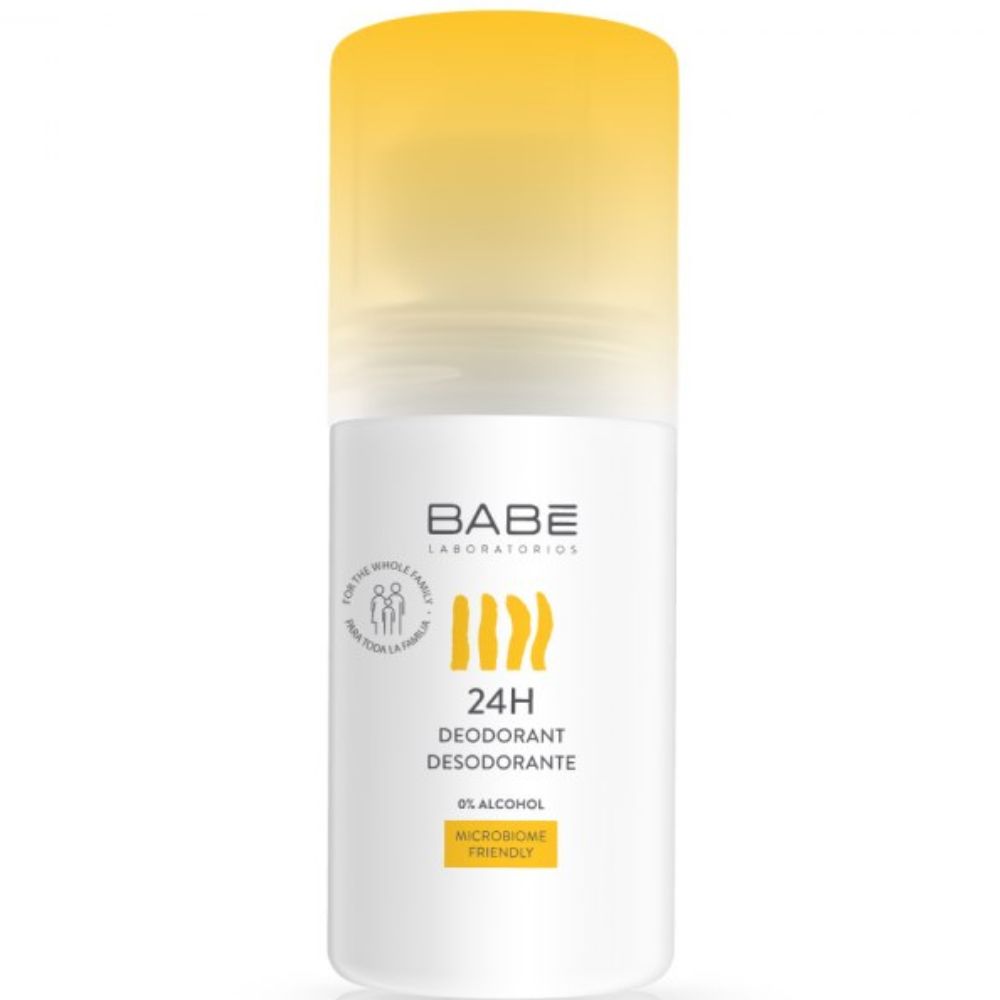
Babé Roll-On Deodorant 24H 50mLA body-care product. Minimizes the formation of unpleasant odor compounds, thus providing a more effective action. Its formula enriched with bisabolol, deodorant complex and prebiotic also allows soothing the skin of the armpits. It doesn't stain clothes and alcohol-free. Apply to clean, dry underarm skin.4,84 £*Shipping: 5,28 £Secure redirect to the provider
-
What is the training for a pediatric nursing specialist?
A pediatric nursing specialist typically completes a bachelor's degree in nursing and becomes a registered nurse (RN). After gaining experience in pediatric nursing, they may choose to pursue a master's degree in pediatric nursing or a related field. This advanced education and training allows them to specialize in providing care to infants, children, and adolescents. Additionally, pediatric nursing specialists may pursue certification through organizations such as the Pediatric Nursing Certification Board to demonstrate their expertise in this area. **
-
What is the difference between a pediatric nurse and a pediatric nurse practitioner?
A pediatric nurse is a registered nurse who specializes in providing care to children and adolescents. They work under the supervision of doctors and nurse practitioners, assisting with patient care, administering medications, and educating families. On the other hand, a pediatric nurse practitioner is an advanced practice registered nurse who has completed additional education and training to diagnose, treat, and manage acute and chronic illnesses in children. They have the authority to prescribe medications, order diagnostic tests, and provide a higher level of care independently. **
-
What is a pediatric nurse?
A pediatric nurse is a healthcare professional who specializes in providing medical care to infants, children, and adolescents. They work closely with pediatricians and other healthcare providers to assess, diagnose, and treat young patients. Pediatric nurses are trained to address the unique physical, emotional, and developmental needs of children, and they play a crucial role in promoting the health and well-being of pediatric patients. **
-
What does a pediatric nurse do?
A pediatric nurse specializes in providing healthcare to infants, children, and adolescents. They work closely with pediatricians to assess, diagnose, and treat illnesses and injuries specific to this age group. Pediatric nurses also educate patients and their families on proper care and treatment plans, as well as provide emotional support during challenging times. Their goal is to promote the health and well-being of children and help them grow into healthy adults. **
* All prices are inclusive of VAT and, if applicable, plus shipping costs. The offer information is based on the details provided by the respective shop and is updated through automated processes. Real-time updates do not occur, so deviations can occur in individual cases. ** Note: Parts of this content were created by AI.